As I stepped into the flooded basement of a suburban Columbus home, the musty smell of damp earth and decay hit me like a punch to the gut. The homeowner, Mrs. Johnson, had been dealing with the aftermath of a burst pipe for hours, and it was clear that every minute counted in preventing further damage. This scene is all too familiar for homeowners in Ohio, where seasonal humidity and aging infrastructure can make water-related emergencies a constant threat.
The importance of immediate professional intervention in water damage situations cannot be overstated, particularly in a region like Ohio, where the combination of heavy rainfall and freezing winters can lead to a perfect storm of flooding and structural compromise. Water Damage Restoration, as a premier emergency response provider in the area, understands the critical role that swift and effective mitigation plays in preserving property value and ensuring occupant safety.
In the context of Ohio’s unique environmental conditions, from the flash floods of spring to the frozen pipe bursts of winter, having a comprehensive Water Damage Restoration Checklist is essential for homeowners. This checklist serves as a guide to navigate the complex process of water damage restoration, ensuring that no critical step is overlooked in the haste to recover from a disaster.
Technical Process of Water Damage Restoration
The process of water damage restoration is multifaceted, beginning with an emergency assessment to determine the extent of the damage and the necessary steps for mitigation. This initial assessment is crucial as it informs the creation of a tailored restoration plan, taking into account factors such as the category of water (clean, grey, or black), the class of water loss, and the type of materials affected.
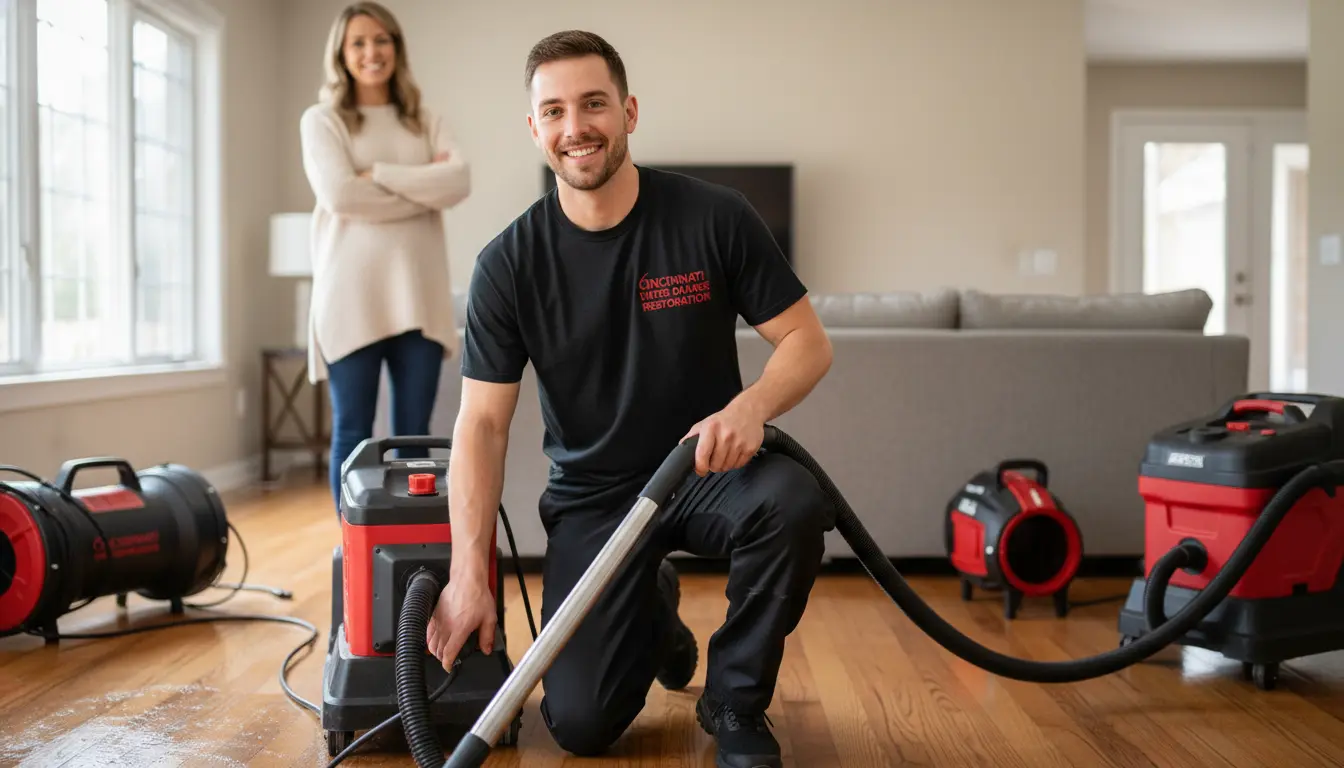
Following the assessment, water extraction is typically the first step in the restoration process. This involves the use of specialized equipment like submersible pumps and wet vacuums to remove standing water. The choice of equipment and the speed at which this step is executed can significantly impact the overall success of the restoration effort, as delays can lead to increased moisture penetration into building materials, exacerbating the damage.
After water extraction, the focus shifts to stabilized drying, which involves the strategic placement of air movers and dehumidifiers to facilitate controlled evaporation. This step is where the understanding of psychrometry, or the study of the relationship between air’s water vapor content and its temperature, becomes critical. By manipulating these factors, restoration professionals can create an environment that encourages efficient drying while minimizing the risk of secondary damage, such as mold growth or structural weakening.
Throughout the drying process, moisture monitoring is continuous, utilizing tools like moisture meters and infrared cameras to identify and address any pockets of hidden moisture. This vigilance is essential, as undetected moisture can lead to prolonged drying times, increased restoration costs, and potential health hazards for occupants.
The final stages of restoration involve thorough sanitization and cleaning, where EPA-registered antimicrobials may be applied to eliminate any remnants of bacterial, viral, or fungal contaminants. This step is particularly important in restoring not just the physical integrity of the property but also ensuring it is safe for habitation.
Data Comparison for Drying Methods
When considering the approach to drying, homeowners often weigh the benefits of professional structural drying against natural air drying. The choice between these methods can have significant implications for the timeline, cost, and overall success of the restoration effort.
| Feature/Metric | Professional Structural Drying | Natural Air Drying |
|---|---|---|
| Pathogen Risk | Minimized through controlled environment and sanitization | Higher risk due to uncontrolled moisture and potential for mold growth |
| Drying Duration | Faster, typically 3-5 days | Slower, can take weeks or even months |
| Secondary Damage Prevention | More effective through targeted drying and monitoring | Less effective, with higher risk of ongoing damage |
Source: IICRC S500 Reference Guide
Expert Insights for Homeowners
For homeowners facing water damage, several advanced tips can significantly impact the restoration outcome. First, identifying hidden moisture pockets in wall cavities and behind baseboards is critical. This can be achieved through the use of moisture mapping techniques and infrared thermography, allowing for targeted drying efforts that prevent mold growth and structural compromise.
Another key consideration is managing indoor grains per pound (GPP) for efficient drying. By controlling the humidity levels and ensuring adequate airflow, the drying process can be optimized, reducing the risk of secondary damage and minimizing the time required for restoration.
Common mistakes that homeowners make in the aftermath of water damage include ignoring moisture behind baseboards, using standard shop-vacs for large extractions, and removing drying equipment prematurely. These mistakes can have severe consequences, including microbial growth, structural weakening, and significantly increased restoration costs.
Pricing and Cost Factors
The cost of water damage restoration can vary widely, depending on several factors including the category and class of water loss, the extent of the damage, and the materials affected. Pricing structures may include per-equipment daily rates, charges based on the square footage of affected areas, or industry-standard Xactimate estimating.
Factors that influence cost include the water category, with Category 3 (black water) being the most contaminated and thus the most expensive to mitigate; the class of water loss, which determines the evaporation load and thus the equipment and time required for drying; and the need for demolition of non-salvageable porous materials, which can add significant cost to the restoration effort.
Safety and Standards in Water Damage Restoration
Safety and adherence to industry standards are paramount in water damage restoration. Professionals should hold certifications such as IICRC WRT (Water Restoration Technician) and ASD (Applied Structural Drying), ensuring they are equipped to handle the complexities of water damage mitigation safely and effectively.
Safety protocols, as outlined by OSHA, are critical in protecting both the restoration team and the property occupants from hazards such as slip and fall accidents, electrical shock, and exposure to harmful substances. The use of EPA-registered antimicrobials and botanical disinfectants is also essential in eliminating biohazards and preventing the growth of mold and bacteria.
Frequently Asked Questions
The first step in responding to water damage is to ensure your safety and the safety of your family. This may involve evacuating the premises, especially if the water is contaminated or there is a risk of electrical shock. Next, contact a professional water damage restoration service to assess the situation and initiate the mitigation process. It’s also important to notify your insurance provider to understand your coverage and the necessary steps for filing a claim.
The duration of the water damage restoration process can vary significantly, depending on the extent of the damage, the category and class of water loss, and the materials affected. On average, the restoration process can take anywhere from 3 to 14 days, with some cases requiring more time. It’s essential to work with a professional restoration company that can provide a detailed timeline and keep you informed throughout the process.
While a wet vacuum or shop-vac can be used to remove small amounts of water, they are not suitable for large-scale water extraction. For significant water damage, professional-grade equipment such as submersible pumps and extraction units are necessary to efficiently and safely remove the water. Using inadequate equipment can lead to prolonged drying times, increased risk of mold growth, and higher restoration costs.
Preventing mold growth after water damage requires prompt and effective drying of the affected area, ideally within 24 to 48 hours. This involves the use of professional drying equipment, thorough cleaning and disinfection, and the removal of any non-salvageable materials. Regular monitoring of the area for signs of moisture and mold is also crucial, as early detection can prevent the need for costly remediation efforts.