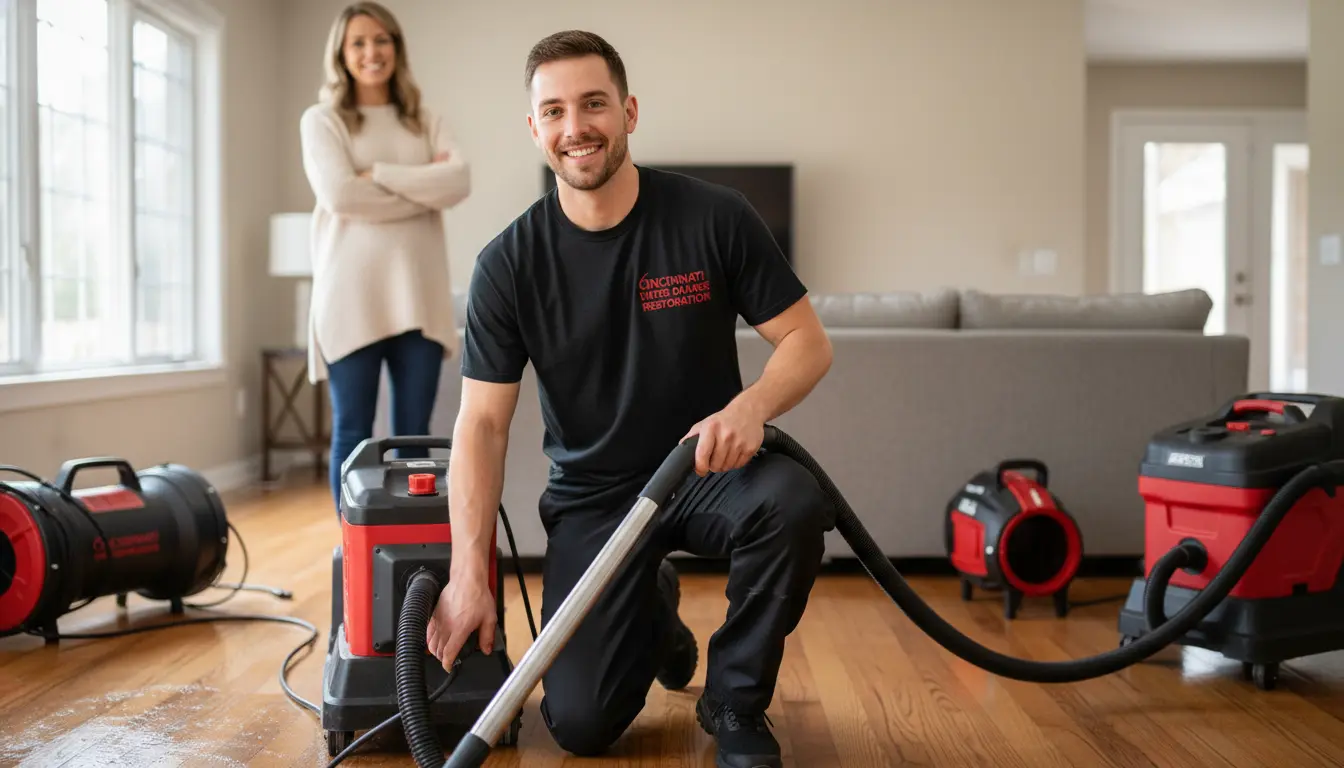
Water damage can strike unexpectedly, turning a cozy Cincinnati home into a soggy nightmare. Whether it’s a burst pipe during a chilly winter or flooding from heavy spring rains along the Ohio River, the aftermath demands swift action. As a homeowner in areas like Mason or Lincoln Heights, you know how quickly moisture can lead to structural issues and mold growth in our humid Midwest climate. But don’t panic—proper cleanup can minimize damage and restore your space.
At Cincinnati Water Damage Restoration, we’ve helped countless families in Middletown and Finneytown recover from water emergencies. In this guide, we’ll walk you through seven practical steps for effective water damage cleanup at home. These actionable tips empower you to take control while emphasizing when to call professionals. Remember, while DIY efforts are great for minor incidents, severe damage requires expert intervention to prevent long-term problems like weakened foundations or health hazards.
Understanding Water Damage in Cincinnati Homes
Cincinnati’s location near the Ohio River makes it prone to flooding, especially during intense storms. According to local weather data, the region sees over 40 inches of annual rainfall, which can overwhelm basements and crawl spaces in neighborhoods like Sharonville. Water damage isn’t just about standing water—it’s the hidden moisture that seeps into walls, floors, and insulation, fostering mold and rot.
Before diving into the steps, assess the category of water damage. Clean water from a leaky faucet is easier to handle than contaminated gray or black water from sewers. If you’re dealing with the latter, prioritize safety and contact pros immediately. For residential flood repair in your Cincinnati area home, our team at Cincinnati Water Damage Restoration is just a call away.
Step 1: Stop the Water Source Immediately
The first and most critical step is to halt the flow of water. Ignoring this can turn a small leak into a major flood, exacerbating damage across your property.
How to Identify and Shut Off the Source
Start by locating the origin—check faucets, toilets, appliances, or external factors like roof leaks. In Cincinnati’s older homes, common culprits include aging pipes in historic districts like Lincoln Heights. Turn off the main water valve, typically found in the basement or near the water meter. If it’s a sewer backup, avoid the area and call a plumber.
Pro Tip: Document the issue with photos for insurance claims. If the source involves structural elements, consider our structural drying services to ensure thorough restoration without compromising your home’s integrity.
Step 2: Ensure Safety for You and Your Family
Safety comes before cleanup. Water mixed with electricity or contaminants poses serious risks, especially in damp basements common in Finneytown residences.
Key Safety Measures
- Turn off power: Switch off electricity to affected areas at the breaker box to prevent shocks. Never wade through water near outlets.
- Ventilate: Open windows and doors if safe, but avoid if there’s storm damage.
- Wear protective gear: Use rubber boots, gloves, and masks to shield against hazards.
In Cincinnati’s variable weather, hypothermia can be a concern during colder months. If sewage is involved, evacuate and seek professional mold remediation to handle biohazards safely.
Step 3: Remove Standing Water Promptly
Standing water breeds bacteria and weakens materials. Act fast to extract it using buckets, wet-dry vacuums, or pumps.
Tools and Techniques for Extraction
For small amounts, a shop vac works wonders. Rent professional-grade equipment like an air mover rental from us to speed up the process. In larger floods, such as those affecting Middletown homes during river overflows, multiple passes may be needed.
Direct water toward drains or outside. Dispose of it properly to avoid contaminating your yard or Cincinnati’s stormwater systems.
Step 4: Dry the Affected Areas Thoroughly
Moisture lingering in walls or floors can cause warping and mold. Drying is essential in our humid climate, where air holds onto dampness.
Effective Drying Strategies
- Use fans and dehumidifiers: Position them to circulate air. Industrial units are ideal for extensive damage.
- Remove wet materials: Pull up carpets and padding; they trap moisture.
For hidden dampness in drywall, our wall drying services in areas like Sharonville use advanced thermal imaging to detect and eliminate it. Aim for 24-48 hours of continuous drying, monitoring with a moisture meter.
Local Insight: Cincinnati summers amplify drying challenges—professional help ensures compliance with local building codes.
Step 5: Clean and Disinfect All Surfaces
Once dry, clean to remove residues and prevent microbial growth.
Cleaning Protocols
- Salvageable items: Wash fabrics with hot water and detergent; sanitize hard surfaces with a bleach solution (1 cup per gallon of water).
- Discard irreparables: Porous items like mattresses soaked in contaminated water go straight to the trash.
In Mason households, where families prioritize health, thorough disinfection protects against allergens. Always test cleaners on small areas first.
Step 6: Prevent Mold Growth
Mold thrives in Cincinnati’s warm, wet conditions, appearing within 24-48 hours if not addressed.
Mold Prevention Tips
- Improve ventilation: Install exhaust fans in bathrooms and kitchens.
- Apply mold inhibitors: Use EPA-approved products on at-risk surfaces.
- Monitor humidity: Keep indoor levels below 60% with dehumidifiers.
If mold appears, don’t DIY—opt for certified mold remediation to avoid spreading spores, especially in enclosed spaces like those in Lincoln Heights basements.
Step 7: Restore and Monitor Your Home
Final restoration brings your home back to normal, but ongoing vigilance is key.
Restoration Best Practices
- Repair damages: Patch walls, refloor, and repaint.
- Upgrade prevention: Install sump pumps or backflow valves, common recommendations for Cincinnati properties near flood zones.
Regular inspections post-cleanup catch issues early. For comprehensive residential flood repair in Finneytown, trust our experienced team.
Schedule follow-ups every few months, particularly before rainy seasons.
FAQ: Common Questions About Water Damage Cleanup
How Quickly Should I Start Cleanup After Water Damage?
Ideally, within the first hour to prevent mold and further deterioration. Delays in Cincinnati’s climate can lead to costly repairs.
Can I Handle Water Damage Cleanup Myself?
For minor clean water incidents, yes—but for extensive or contaminated damage, call professionals like Cincinnati Water Damage Restoration to avoid health risks.
What Are the Signs of Hidden Water Damage?
Look for musty odors, warped wood, or bubbling paint. In areas like Mason, professional moisture detection tools reveal concealed issues.
Does Homeowners Insurance Cover Water Damage?
Most policies do for sudden events, but not neglect. Document everything and contact your insurer promptly.
How Can I Prevent Future Water Damage in My Cincinnati Home?
Maintain gutters, insulate pipes, and elevate appliances. For tailored advice serving Sharonville, reach out to our experts.
Conclusion: Take Action Today for a Dry Tomorrow
Water damage cleanup doesn’t have to overwhelm you. By following these seven steps—from stopping the source to vigilant restoration—you can protect your Cincinnati home and family. However, for the best results, especially in flood-prone spots like Middletown, partner with Cincinnati Water Damage Restoration. Our 24/7 emergency services ensure rapid response, using state-of-the-art tools for complete recovery.
Don’t let water woes linger—contact us today at (513) 650-7150or visit our site for a free assessment. Serving Mason, Lincoln Heights, and beyond, we’re your local experts in turning disaster into restoration.