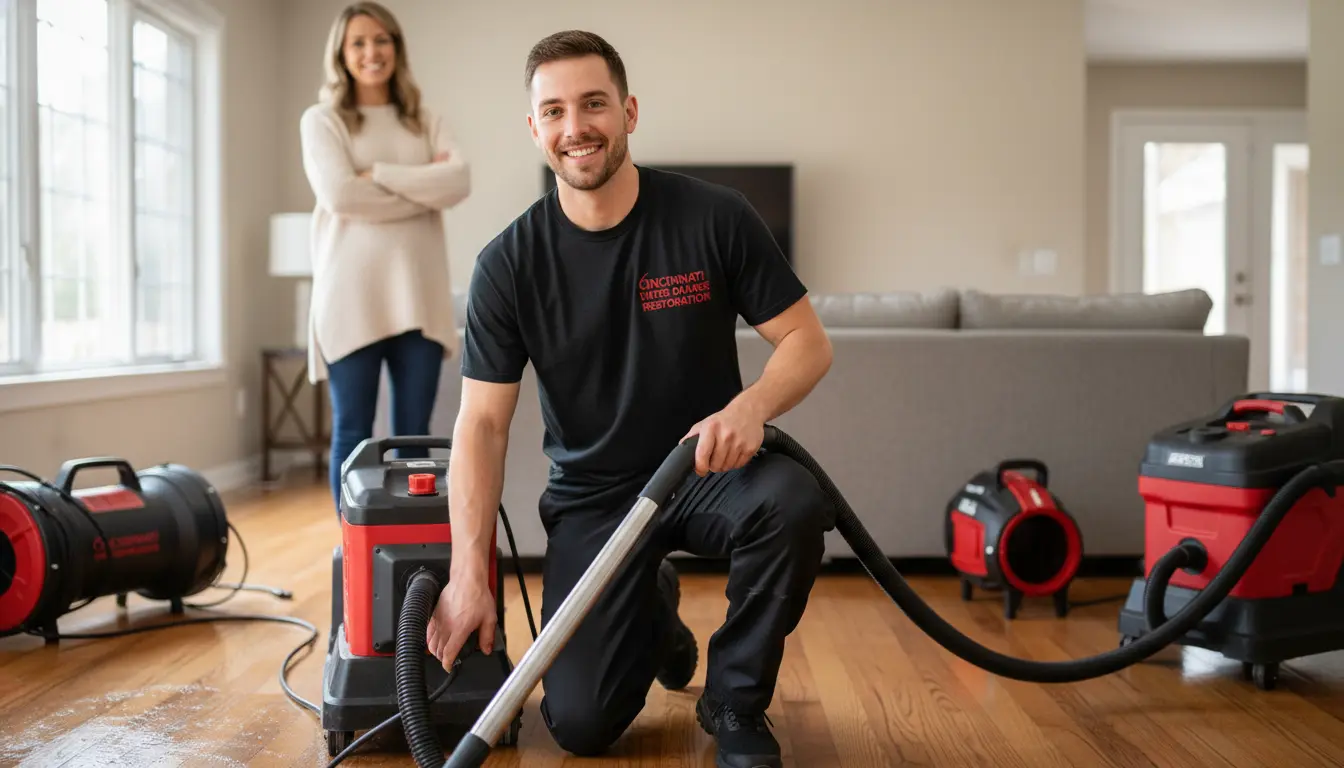
Imagine waking up to the sound of dripping water in your Cincinnati home, only to discover a burst pipe flooding your basement. Panic sets in as you assess the damage—warped floors, soaked carpets, and that musty smell starting to linger. For Ohio residents, especially in the humid climate of the Greater Cincinnati area, water damage is a common nightmare. But should you grab a mop and tackle it yourself, or call in the professionals? In this guide from Cincinnati Water Damage Restoration, we’ll break down the DIY versus professional debate, offering practical advice to help you make the right choice and protect your property.
Water damage isn’t just inconvenient; it can lead to serious health hazards like mold growth if not handled properly. With Ohio’s unpredictable weather—from heavy spring rains to frozen winter pipes—knowing when to act is crucial. Whether you’re in Montgomery or West Price Hill, this post will equip you with the knowledge to navigate water restoration effectively.
Understanding Water Damage in Ohio Homes
Ohio’s climate plays a big role in water damage incidents. Heavy rainfall in spring and summer can overwhelm drainage systems, while winter freezes often lead to burst pipe restoration needs. In Cincinnati, neighborhoods like Walnut Hills with older homes are particularly vulnerable due to aging plumbing.
Types of Water Damage
Water damage falls into three categories:
- Clean Water: From a supply line break—least harmful but requires quick action.
- Gray Water: From appliances like washing machines—contains contaminants.
- Black Water: From sewage backups—highly dangerous and demands professional intervention.
Identifying the type early can save you time and money. For instance, if you’re dealing with flooding from the Ohio River nearby, it might classify as black water, necessitating immediate expert help.
The DIY Approach: Pros, Cons, and When It Works
DIY water restoration appeals to many Ohio homeowners looking to save on costs. With tools like wet vacuums and fans readily available at local stores, it seems straightforward. But is it always the best path?
Pros of DIY Restoration
- Cost Savings: Initial expenses are low—no service fees upfront.
- Immediate Action: You can start drying out areas right away, preventing minor issues from worsening.
- Control: Handle small, clean water incidents yourself, like a leaky faucet in your Finneytown kitchen.
Practical DIY Tips
If the damage is minor (less than 5 gallons of clean water and no structural impact), follow these steps:
- Safety First: Turn off electricity in affected areas to avoid shocks. Wear protective gear like gloves and boots.
- Stop the Source: Shut off the main water valve. For burst pipes, use temporary patches if safe.
- Extract Water: Use a shop vac or pump for standing water. In Cincinnati’s basements, focus on carpet water removal by pulling up rugs to dry underneath.
- Dry Thoroughly: Set up dehumidifiers and fans. Aim for 24-48 hours of drying, monitoring humidity levels.
- Clean and Disinfect: Wipe surfaces with a bleach solution (1 cup bleach to 1 gallon water) to prevent mold.
Pro Tip: Document everything with photos for potential insurance claims. Tools like moisture meters (under $50) help ensure areas are fully dry.
Cons and Risks of DIY
However, DIY isn’t always feasible. Ohio’s clay-heavy soil can cause foundation shifts with improper drying, leading to cracks. Attempting odor elimination without proper equipment might mask smells temporarily but allow mold to thrive. In severe cases, like after a storm in Blue Ash, DIY can void insurance policies if damage worsens.
Common mistakes include underestimating hidden moisture in walls, which can lead to costly structural repairs later. Health risks from black water exposure, including bacteria and viruses, make DIY dangerous without expertise.
Why Choose Professional Water Restoration?
For anything beyond minor clean water damage, professionals like those at Cincinnati Water Damage Restoration are essential. We serve the entire Cincinnati area with specialized tools and IICRC-certified technicians.
Benefits of Hiring Pros
- Speed and Efficiency: Our 24-hour emergency response ensures rapid containment, minimizing damage spread.
- Advanced Equipment: Industrial-grade pumps, air movers, and thermal imaging detect moisture pros can’t see.
- Expert Assessment: We categorize damage accurately and provide detailed reports for insurance claim assistance, easing your burden.
- Long-Term Prevention: Pros address root causes, like reinforcing pipes against Ohio’s freeze-thaw cycles.
In Cincinnati, where historic homes in areas like Over-the-Rhine require delicate handling, our team preserves structural integrity while restoring functionality.
When to Call Professionals
Call immediately if:
- Water is gray or black.
- Damage affects more than 10 square feet.
- There’s electrical involvement or structural concerns.
- Mold signs appear (musty odor, discoloration).
For example, after heavy rains flooding West Price Hill basements, our pros use antimicrobial treatments to safeguard health.
Comparing Costs: DIY vs Professional
Upfront, DIY seems cheaper—$500 for tools and rentals versus $1,500+ for pros. But hidden costs add up: DIY might lead to $10,000 in mold remediation if mishandled. Professionals often work with insurers, covering most costs. In Ohio, average water damage claims range from $2,000-$5,000, with pros ensuring full coverage through proper documentation.
Long-term, investing in pros prevents recurrence. Cincinnati Water Damage Restoration offers free estimates, helping you budget wisely.
Local Considerations for Cincinnati Residents
Cincinnati’s unique environment demands tailored advice. The city’s proximity to the Ohio River increases flood risks, especially in low-lying areas like East End. Older infrastructure in neighborhoods like Walnut Hills means more frequent pipe bursts from corrosion.
Ohio building codes require specific restoration standards, which DIYers might overlook. During humid summers, rapid drying is key to avoid mold—pros use HEPA filters for allergen control, vital for families with respiratory issues common in urban Cincinnati.
Stay proactive: Insulate pipes before winter and clear gutters regularly to mitigate risks.
FAQ: Common Questions on Water Restoration
1. How soon after water damage should I act?
Act within 24-48 hours to prevent mold. For emergencies, contact Cincinnati Water Damage Restoration for immediate 24-hour emergency response.
2. Can I DIY if it’s just carpet damage?
For small areas, yes—but lift and dry underneath thoroughly. For extensive carpet water removal, pros prevent subfloor issues.
3. Does insurance cover professional restoration?
Most policies do, especially with our insurance claim assistance. We handle paperwork to maximize your payout.
4. How do I know if mold is present?
Look for black spots or smells. If suspected, don’t DIY—our team performs safe inspections.
5. What’s the difference in drying times for DIY vs pro?
DIY can take 3-5 days; pros finish in 1-2 with powerful equipment, reducing secondary damage.
Conclusion: Make the Smart Choice for Your Home
When it comes to water restoration, DIY works for minor, clean incidents, but professionals shine for complex, risky situations. In Ohio’s challenging climate, especially Cincinnati’s variable weather, err on the side of caution to protect your investment and health. At Cincinnati Water Damage Restoration, we’re here to guide you every step—whether it’s a quick assessment or full restoration.
Don’t let water damage overwhelm you. Contact our experts today for a free consultation and reclaim your peace of mind. Call now or visit our site to learn more about our services tailored to Montgomery and beyond.