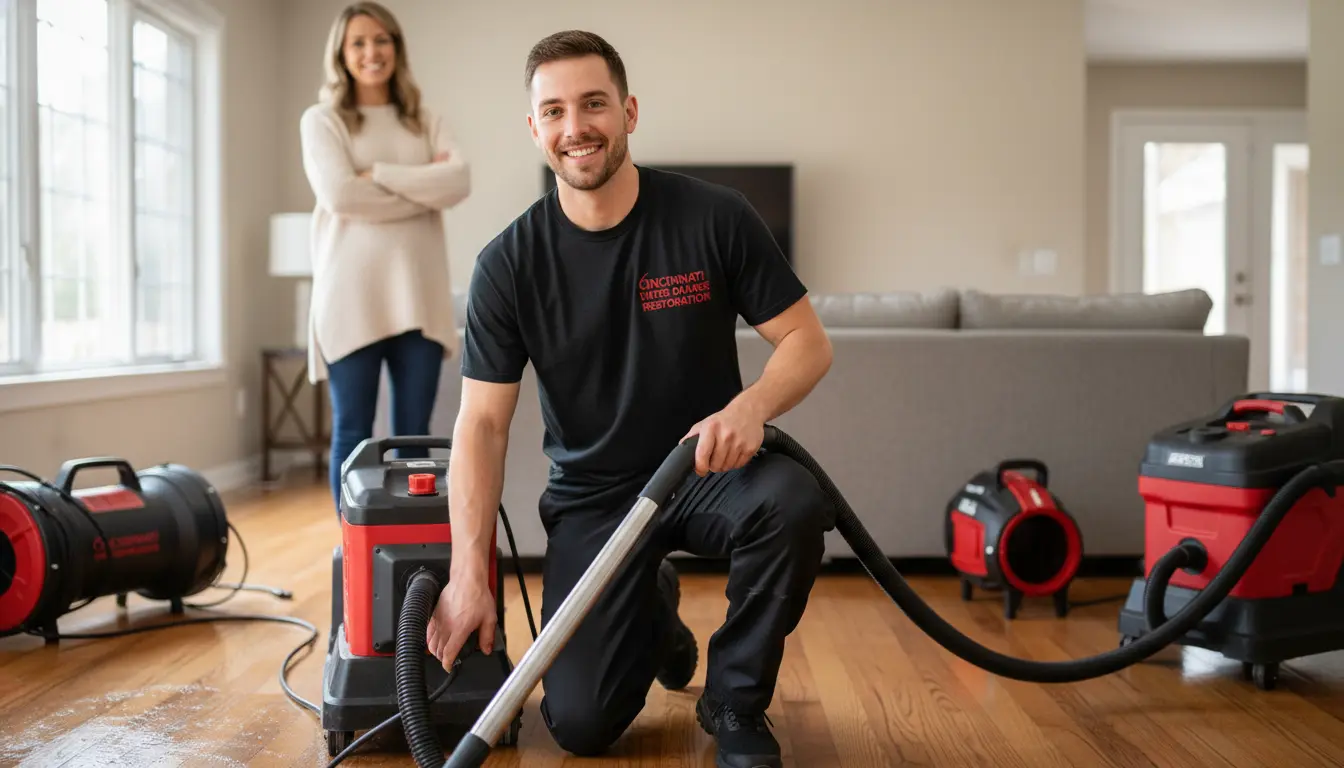
Contrary to popular belief, water damage restoration for basements in Ohio is not just about removing standing water and drying the area. In fact, it requires a comprehensive approach that takes into account the unique challenges posed by Ohio’s humid continental climate and the typical construction materials used in local homes. As a certified senior water damage restoration expert, I have seen firsthand the devastating effects of water damage on properties in Ohio, where the average annual rainfall is around 40 inches. Immediate professional intervention is critical to prevent long-term damage and costly repairs.
The risks of water-related emergencies in Ohio are very real, with flash floods and burst pipes being common causes of water damage. In fact, according to the Ohio Emergency Management Agency, flash flooding is one of the most common and deadly types of flooding in the state. Furthermore, the state’s cold winters can cause pipes to burst, leading to significant water damage. In such scenarios, it is essential to have a reliable and experienced water damage restoration provider, who can respond quickly and effectively to mitigate the damage.
Our team of experts has years of experience in providing top-notch water damage restoration services in Ohio, and we understand the importance of acting swiftly to prevent further damage. We use the latest equipment and techniques, including LGR dehumidifiers, air movers, and infrared cameras, to ensure that the affected area is dried and restored to its original condition. Our process is guided by the principles of psychrometry, moisture mapping, and thermography, which enable us to identify and address the root causes of water damage.
Technical Process
The technical process of water damage restoration involves several critical steps, including emergency assessment, water extraction, stabilized drying, moisture monitoring, and final sanitization. During the emergency assessment phase, our team of experts will evaluate the extent of the damage and identify the source of the water leak. We will then use specialized equipment, such as submersible pumps and wet/dry vacuums, to extract the standing water and prevent further damage.
Once the water has been extracted, we will use LGR dehumidifiers and air movers to create a controlled environment that promotes efficient evaporation and drying. This process is crucial in preventing the growth of mold and mildew, which can have serious health implications. If you notice signs of microbial growth, it is vital to contact us for professional mold remediation. Our team will also use moisture meters and infrared cameras to monitor the moisture levels and ensure that the area is drying evenly.
In addition to the technical process, it is essential to consider local variables such as environmental humidity levels and regional building types. In Ohio, the humid continental climate means that the air is often humid, which can slow down the drying process. Our team takes this into account when developing a mitigation strategy, using techniques such as dehumidification and controlled evaporation to ensure that the area is dried efficiently. For cases involving hazardous wastewater, we provide comprehensive sewage cleanup services.
Data Comparison Table
| Feature/Metric | Professional Structural Drying | Natural Air Drying |
|---|---|---|
| Pathogen Risk | Low | High |
| Drying Duration | Fast | Slow |
| Secondary Damage Prevention | Effective | Ineffective |
Source: IICRC S500 Reference Guide
Expert Insights
As a certified senior water damage restoration expert, I have learned that identifying hidden moisture pockets in wall cavities is crucial in preventing long-term damage. This can be achieved using specialized equipment such as infrared cameras and moisture meters. Another critical aspect of water damage restoration is managing indoor grains per pound (GPP) for efficient drying. This involves controlling the humidity levels and ensuring that the air is dry enough to promote evaporation.
Common mistakes that homeowners make when dealing with water damage include ignoring moisture behind baseboards and using standard shop-vacs for large extractions. These mistakes can have serious consequences, including microbial growth and structural compromise. It is essential to seek professional help immediately to prevent such consequences. In situations where fire has also occurred, we provide specialized fire damage restoration.
Pricing
The cost of water damage restoration services can vary depending on several factors, including the extent of the damage, the type of equipment required, and the size of the affected area. Some of the factors that influence cost include:
- Water category/contamination level
- Class of water loss based on evaporation load
- Required demolition of non-salvageable porous materials
Our pricing structure is transparent and competitive, with per-equipment daily rates and square footage of affected areas being taken into account. We also use industry-standard Xactimate estimating to ensure that our prices are fair and reasonable.
Safety and Standards
Safety is a top priority when it comes to water damage restoration, and our team is committed to following all relevant safety protocols and standards. We are certified by the IICRC and OSHA, and we use EPA-registered antimicrobials and botanical disinfectants to ensure that the affected area is safe and healthy.
FAQ Section
Immediate action is critical in water damage restoration because it helps prevent long-term damage and costly repairs. The longer you wait, the more extensive the damage will be, and the higher the cost of restoration will be.
If you have experienced water damage, it is essential to seek professional help immediately. Our team can assess the damage and provide a comprehensive restoration plan.
Category 1 water mitigation refers to water that is clean and free of contaminants, while Category 3 water mitigation refers to water that is highly contaminated and poses a significant health risk.
The length of the water damage restoration process depends on several factors, including the extent of the damage, the type of equipment required, and the size of the affected area.
Professional Water Damage Care in Ohio
In conclusion, water damage restoration for basements in Ohio requires a comprehensive approach that takes into account the unique challenges posed by the state’s humid continental climate and typical construction materials. Our team of experts is committed to providing top-notch water damage restoration services that are guided by the principles of psychrometry, moisture mapping, and thermography. We understand the importance of immediate action and use specialized equipment and techniques to ensure that the affected area is dried and restored to its original condition. For more information on our services, including our advanced structural drying services, please contact us today.