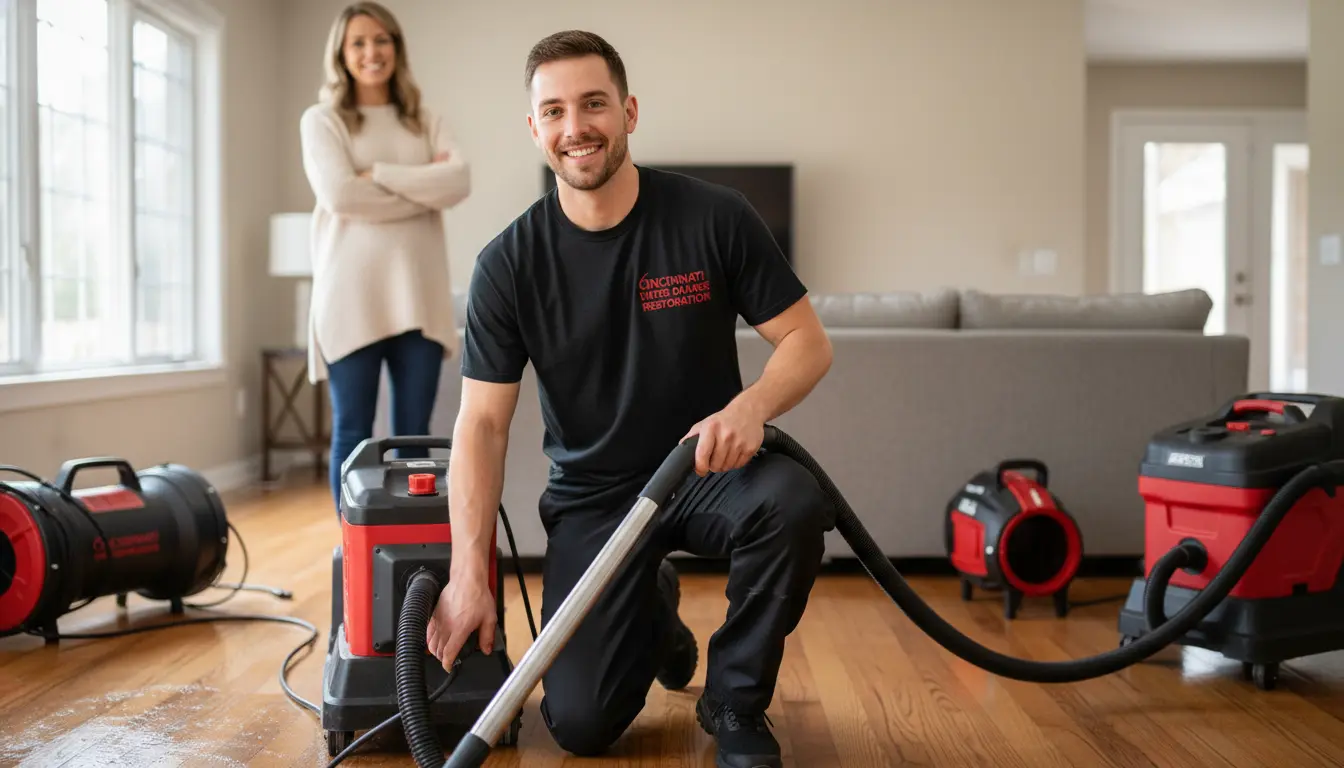
Failing to address water damage promptly can lead to devastating consequences, including structural compromise and mold growth, ultimately resulting in costly repairs that can escalate to tens of thousands of dollars in a matter of weeks. In Miami, Florida, where seasonal humidity affects evaporation rates, it’s crucial to act swiftly. Water damage, if left untreated, can wreak havoc on both residential and commercial properties, affecting not just the aesthetic appeal but also the foundational integrity. Immediate professional intervention is pivotal in preventing such outcomes, making Water Damage Restoration the go-to emergency response provider in the area.
Understanding the importance of timely action is the first step towards mitigating the risks associated with water damage. Given Miami’s susceptibility to flash floods and its common issues with burst pipes during winter, having a reliable and knowledgeable restoration service is essential. Water Damage Restoration, with its expertise in handling various scales of water damage, from minor leaks to extensive flooding, stands as a beacon of reliability for property owners aiming to preserve their investments.
Technical Process of Water Damage Restoration
The technical process of water damage restoration is intricate and requires a thorough understanding of the underlying principles of drying science. It involves not just the removal of visible water but also the stabilization of the environment to prevent further damage. Dehumidification, for example, is a critical step that involves reducing the moisture level in the air to facilitate drying. This process, coupled with the strategic placement of air movers to enhance evaporation, is fundamental in expediting the drying process without causing secondary damage.
Miami’s humid climate necessitates the use of powerful dehumidification equipment to counteract high moisture levels in the air, ensuring that the drying process is safe and prevents the growth of mold and mildew. The employment of thermography to detect hidden moisture pockets, especially in wall cavities and behind baseboards, further underscores the comprehensive nature of professional water damage restoration services.
Data Comparison for Drying Methods
| Feature/Metric | Professional Structural Drying | Natural Air Drying |
|---|---|---|
| Pathogen Risk | Minimized through controlled environment and sanitation | Elevated due to prolonged moisture exposure |
| Drying Duration | Significantly reduced through advanced equipment and techniques | Extended, potentially leading to secondary damage |
| Secondary Damage Prevention | Enhanced through meticulous monitoring and adjustment | Limited, as the process is largely uncontrolled |
Source: IICRC S500 Reference Guide
Expert Insights
Expert technicians emphasize identifying hidden moisture pockets and managing indoor grains per pound (GPP) for efficient drying. Moreover, avoiding common mistakes such as ignoring moisture behind baseboards or using standard shop-vacs for large extractions is crucial, as these actions can lead to microbial growth or structural compromise. For property owners in Miami, leveraging professional services ensures properties are protected. This proactive approach, coupled with the integration of mold remediation and sewage cleanup, offers a comprehensive solution to water damage issues.
Pricing and Safety Standards
The cost of restoration can vary, depending on the category of water loss, the extent of required demolition, and the size of the affected area. Professional structures often involve daily equipment rates, square footage pricing, or Xactimate estimating. In cases complicated by fire, specialized services like fire damage restoration are available. Technicians must be certified, such as through IICRC WRT/ASD programs, and adhere to strict OSHA safety protocols.
Frequently Asked Questions
The first step is to stop the water source and contact a professional service, which may involve structural drying.
The process can take from a few days to several weeks, potentially incorporating mold remediation to address any resulting growth.
Risks include secondary damage, such as mold growth and structural compromise, which necessitate professional services like sewage cleanup.
Regular inspections and maintenance are key, and services like fire damage restoration can provide protection against water damage resulting from firefighting.
It ensures the property is restored efficiently, safeguarding financial investments and the health of occupants.