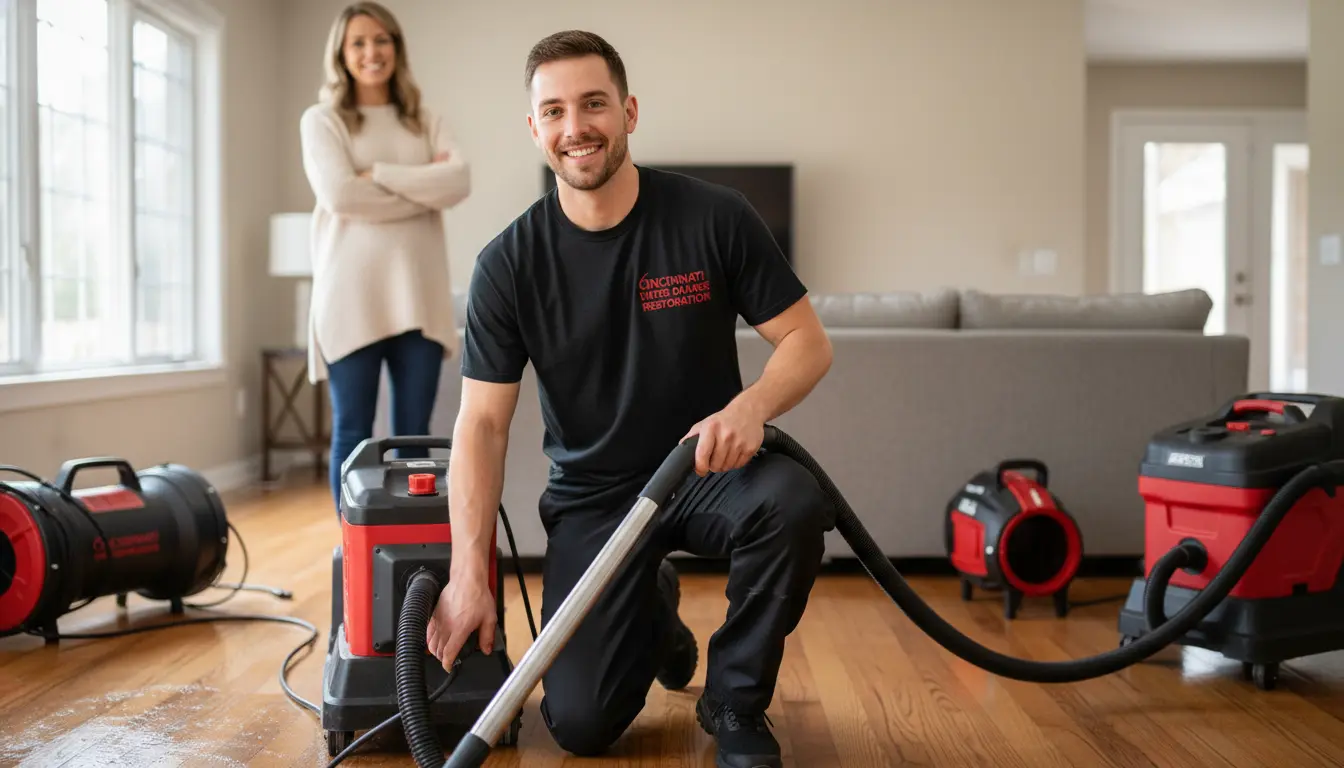
According to a report by the Insurance Information Institute, in 2026, water damage accounted for approximately 45% of all homeowners’ insurance claims in the United States, with an average cost per claim of around $11,000. In Ohio, this trend is particularly concerning due to the state’s location in a region prone to heavy rainfall and flash flooding, which can lead to significant water damage in residential and commercial properties. The critical nature of immediate professional intervention in water damage restoration cannot be overstated, as it directly impacts the efficacy of the restoration process and the prevention of long-term structural issues. Professional services play a vital role in addressing these emergencies, providing expert solutions to mitigate damage and restore properties to their original condition.
Understanding the importance of timely and professional water damage restoration is crucial for property owners in Ohio. The state’s seasonal humidity, common causes of flooding such as burst pipes in winter, and typical building materials found in Ohio’s residential and commercial properties all contribute to the complexity of water damage scenarios. Specialized restoration services are equipped to handle these challenges, utilizing advanced techniques and equipment such as psychrometry, moisture mapping, thermography, dehumidification, and structural bypass to ensure thorough drying and restoration.
The process of water damage restoration involves several critical steps, including emergency assessment, water extraction, stabilized drying, moisture monitoring, and final sanitization. Each of these steps is designed to address specific aspects of water damage, from the initial removal of standing water to the final disinfection of the affected area. In Ohio, the environmental humidity levels and regional building types, such as basements versus crawlspaces, dictate the chosen mitigation strategy, highlighting the need for localized expertise in water damage restoration.
Technical Process
A thorough emergency assessment is the first step in the water damage restoration process, allowing professionals to identify the extent of the damage and categorize the water based on its level of contamination. This assessment informs the development of a customized restoration plan, which may include the use of specialized equipment such as LGR dehumidifiers, air movers, infrared cameras, and moisture meters. The application of these tools is grounded in scientific principles, such as vapor pressure differentials and controlled evaporation, to ensure efficient and effective drying.
Local variables, including environmental humidity levels and the design of regional buildings, play a significant role in determining the most appropriate mitigation strategy. For instance, properties with basements may require different approaches than those with crawlspaces, due to differences in ventilation, insulation, and moisture accumulation. Understanding these nuances is essential for effective restoration, where the goal is not only to dry the property but also to prevent secondary damage and ensure a safe environment for occupants.
Data Comparison
| Feature/Metric | Professional Structural Drying | Natural Air Drying |
|---|---|---|
| Pathogen Risk | Minimized through controlled environment and antimicrobial treatments | Increased due to potential for uncontrolled microbial growth |
| Drying Duration | Typically faster, with controlled drying times | Slower and less predictable, dependent on environmental conditions |
| Secondary Damage Prevention | Proactive measures to prevent further damage, such as monitoring and adjusting drying parameters | Reactive approach, with potential for increased damage due to delayed or inadequate drying |
Source: IICRC S500 Reference Guide
Expert Insights
Professional water damage restoration experts offer several advanced tips for identifying and addressing hidden moisture pockets in wall cavities, managing indoor grains per pound (GPP) for efficient drying, and utilizing thermography to detect moisture behind surfaces. These techniques, combined with a thorough understanding of psychrometry and dehumidification principles, enable restoration professionals to provide comprehensive and effective services. However, homeowners often make critical mistakes, such as ignoring moisture behind baseboards, using standard shop-vacs for large extractions, or removing equipment prematurely, which can lead to microbial growth, structural compromise, and the need for more extensive repairs.
For instance, neglecting to address moisture accumulation behind baseboards can lead to mold growth and require costly replacements. Similarly, the improper use of equipment, such as using a standard shop-vac for water extraction, can push water further into the structure, exacerbating the damage. Understanding these potential pitfalls and the importance of professional intervention can help property owners in Ohio make informed decisions about their water damage restoration needs.
Pricing and Safety
The cost of water damage restoration services can vary widely, depending on factors such as the category of water (clean, gray, or black), the class of water loss based on evaporation load, and the extent of damage. Pricing structures may include per-equipment daily rates, charges based on the square footage of affected areas, or industry-standard Xactimate estimating. The use of specialized equipment, the need for demolition and reconstruction of non-salvageable materials, and the application of antimicrobial treatments are also cost-influencing factors.
The safety and health of occupants are paramount in water damage restoration. Professionals must adhere to specific certifications, such as IICRC WRT/ASD, and safety protocols, including those outlined by OSHA. The use of EPA-registered antimicrobials and botanical disinfectants is also critical for preventing the growth of mold and other microorganisms. These standards and practices not only ensure the quality of the restoration but also protect against potential health hazards associated with water damage. You can visit our safety page for more information.
Frequently Asked Questions
Water damage restoration encompasses the entire process of restoring a property after water damage, including water extraction, drying, and sanitization. Mold remediation, on the other hand, is a specific process focused on removing mold growth that has occurred as a result of water damage.
The duration of the water damage restoration process can vary significantly depending on the extent of the damage, the category of water, and the environmental conditions. Generally, the process can take anywhere from a few days to several weeks.
While it might be tempting to attempt water damage restoration on your own, it’s generally not recommended. Professional services have the training, equipment, and experience to handle complex water damage scenarios safely and effectively.
Delaying water damage restoration can have severe consequences, including the growth of mold and mildew, structural compromise, and increased repair costs.
Conclusion
In conclusion, water damage restoration is a complex process that requires immediate attention, specialized equipment, and professional expertise. Understanding the differences between water damage restoration and mold remediation, as well as the importance of timely intervention, is crucial for property owners in Ohio. By working with certified professionals, property owners can ensure their properties are restored safely, efficiently, and effectively, preventing long-term damage and potential health hazards. Consider reaching out to a trusted water damage restoration service in Ohio to learn more about how they can assist you in navigating the challenges of water damage.