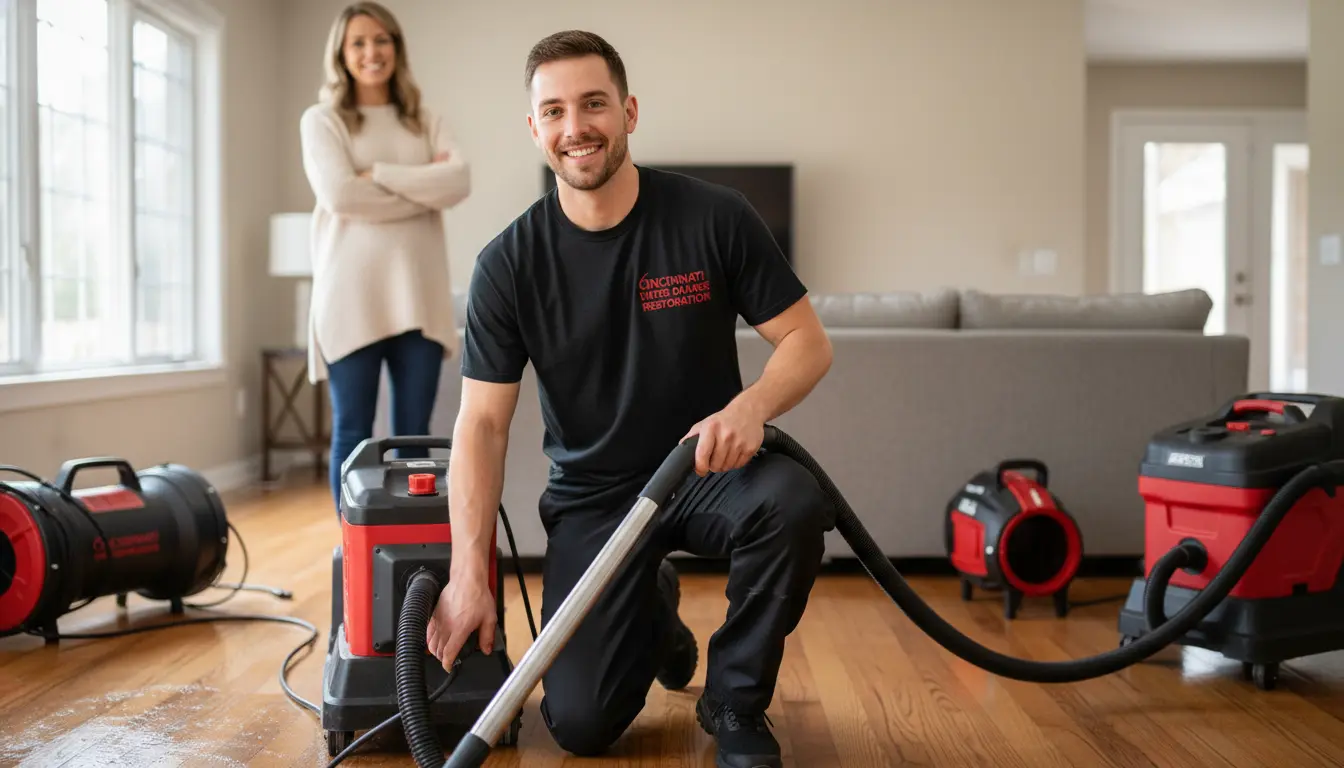
As I stepped into the flooded basement in Columbus, Ohio, I couldn’t help but think about the importance of timely water damage restoration. The homeowner, Mrs. Johnson, had called us just hours after discovering the leak, and our team was already on site, assessing the damage and preparing for the restoration process. The primary concern was to prevent further damage and minimize the risk of mold growth, which is why it’s crucial to understand why water damage spreads so quickly in Ohio homes.
The key to effective restoration lies in understanding the science behind it. In Ohio, the humid climate and common flooding causes, such as burst pipes and flash floods, can exacerbate the situation. Our team uses advanced tools, including LGR dehumidifiers and infrared cameras, to detect and remove moisture from the affected areas. We also employ psychrometry, the study of the relationship between air and water vapor, to determine the optimal drying conditions.
By taking a proactive approach to flood damage cleanup, homeowners can prevent long-term damage and costly repairs. In this article, we will explore the reasons why water damage spreads quickly in Ohio homes, the importance of professional restoration services, and the steps involved in the restoration process. We will also discuss the common mistakes homeowners make and provide expert tips for effective mitigation.
Understanding Water Damage Restoration
Water damage restoration is a complex process that requires a thorough understanding of the underlying principles of moisture removal and drying. Our team at Water Damage Restoration is certified by the IICRC (Institute of Inspection, Cleaning and Restoration Certification) and follows the guidelines set by the IICRC S500 standard for professional water damage restoration. We use a variety of equipment, including air movers, dehumidifiers, and moisture meters, to remove moisture from the affected areas and prevent further damage. In Ohio, the common flooding causes, such as burst pipes and flash floods, can lead to significant water damage. The humid climate in the state also contributes to the growth of mold and mildew, making it essential to address water damage promptly. Our team is equipped to handle all types of water damage, from Category 1 (clean water) to Category 3 (black water), and follows strict safety protocols to ensure the health and safety of our clients.
Step-by-Step Restoration Process
The restoration process typically begins with an emergency assessment, where our team evaluates the extent of the damage and determines the best course of action. This is followed by water extraction, where we use specialized equipment to remove excess water from the affected areas. Next, we stabilize the environment by controlling the temperature and humidity levels, which helps to prevent further damage and promotes efficient drying. Once the environment is stabilized, we begin the drying process, using a combination of air movers, dehumidifiers, and moisture meters to remove moisture from the affected areas. We also use thermography, a non-invasive technique that uses infrared cameras to detect temperature differences, to identify hidden moisture pockets and ensure that all areas are dry. Finally, we sanitize the affected areas using EPA-registered antimicrobials and botanical disinfectants to prevent the growth of mold and mildew.
Comparing Professional Structural Drying and Natural Air Drying
When it comes to drying, there are two main approaches: professional structural drying and natural air drying. While natural air drying may seem like a cost-effective option, it can lead to prolonged drying times, increased risk of mold growth, and secondary damage. Professional structural drying, on the other hand, uses specialized equipment and techniques to remove moisture quickly and efficiently, minimizing the risk of further damage and promoting a healthy environment. We often recommend a full moisture detection & inspection to ensure the best results.
| Feature/Metric | Professional Structural Drying | Natural Air Drying |
|---|---|---|
| Pathogen Risk | Low | High |
| Drying Duration | Short | Long |
| Secondary Damage Prevention | Effective | Ineffective |
Source: IICRC S500 Reference Guide
Expert Insights and Common Mistakes
As a certified water damage restoration expert, I have seen many homeowners make costly mistakes when trying to mitigate water damage on their own. One common mistake is ignoring moisture behind baseboards, which can lead to mold growth and structural damage. Another mistake is using standard shop-vacs for large extractions, which can push water deeper into the affected areas and exacerbate the damage. To avoid these mistakes, it’s essential to hire a professional water damage restoration company that has the expertise, equipment, and experience to handle all types of water damage. Our team at Water Damage Restoration is equipped to handle any water damage emergency, and we provide a comprehensive range of services, including biohazard & sewage cleanup, and fire damage restoration.
Pricing and Cost Factors
The cost of water damage restoration can vary widely, depending on factors such as the category of water damage, the extent of the damage, and the required equipment and labor. Some common cost factors include: per-equipment daily rates for dehumidifiers, air movers, and other specialized equipment; square footage of affected areas, which can impact the amount of equipment and labor required; and industry-standard Xactimate estimating. It’s essential to work with a reputable company that provides transparent pricing and clear explanations, as outlined in our guide to understanding water damage restoration costs. Our team is committed to providing fair and competitive pricing.
Frequently Asked Questions
Category 1 water damage refers to clean water, which is free from contaminants and pose no health risk. Category 3 water damage, on the other hand, refers to black water, which is heavily contaminated with sewage, chemicals, or other hazardous substances.
The length of the process can vary widely depending on the extent of the damage. In general, the process can take anywhere from a few days to several weeks.
No, it’s not recommended as it can push water deeper into the affected areas. Professional equipment like submersible pumps are necessary.
Immediate moisture removal, professional sanitization with EPA-registered antimicrobials, and maintaining proper humidity levels are the most effective ways to prevent mold.
No, water damage restoration is not a DIY task; it requires professional expertise and specialized equipment to prevent long-term damage and ensure safety.
Professional Tip: Never use a standard household vacuum to remove water. It risks electrical shock and fire hazards. Always wait for professional extraction equipment to arrive.