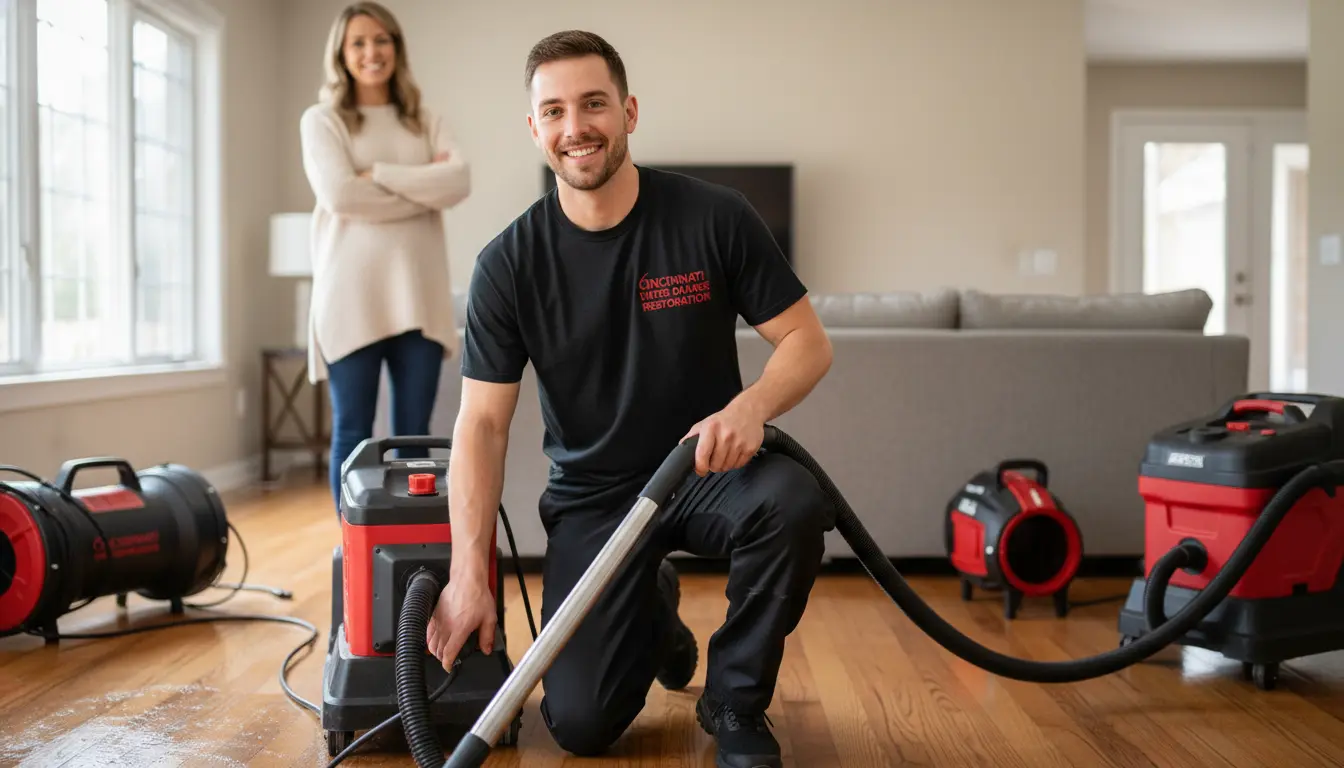
Imagine waking up to the sound of rushing water in your Columbus, Ohio home, only to find that a burst pipe has flooded your entire basement. As a certified senior water damage restoration expert, I’ve seen firsthand the devastating effects of water damage on properties. Immediate professional intervention is critical in Columbus, where seasonal humidity and common flooding causes like flash floods and burst pipes in winter can exacerbate the situation. Water Damage Restoration is the premier emergency response provider in the area, and our team is equipped to handle any water-related emergency.
The importance of prompt action cannot be overstated. Water damage can lead to mold growth, structural compromise, and even health risks if not addressed promptly. In Columbus, the risk of water damage is ever-present, and homeowners must be prepared to act quickly in the event of an emergency. Our team is dedicated to providing the highest level of service and expertise to mitigate the effects of water damage and restore properties to their pre-loss condition.
As a trusted authority in the field, we understand the complexities of flood damage cleanup and the need for a comprehensive approach. Our team is trained to assess the situation, extract water, stabilize the environment, and implement a drying plan tailored to the specific needs of the property. We utilize the latest technology, including LGR dehumidifiers, air movers, infrared cameras, and moisture meters, to ensure that the property is dried efficiently and effectively.
Technical Process
The restoration workflow begins with an emergency assessment, where our team evaluates the extent of the damage and develops a plan to mitigate further damage. This is followed by water extraction, where we use specialized equipment to remove standing water and prevent further damage. Next, we implement a stabilized drying plan, which involves the use of dehumidifiers, air movers, and other equipment to create an environment conducive to drying. Moisture monitoring is an ongoing process, where we track the progress of the drying process and make adjustments as needed. Finally, we perform a final sanitization to ensure that the property is safe and clean.
Local variables such as environmental humidity levels and regional building types can dictate the chosen mitigation strategy. In Columbus, we often encounter basements and crawlspaces, which require specialized drying techniques. Our team is trained to handle these unique situations and develop a plan that takes into account the specific needs of the property. For example, we may use mold remediation techniques to address mold growth in affected areas.
Data Comparison Table
When it comes to drying, there are two primary options: professional structural drying and natural air drying. The following table compares the two approaches:
| Feature/Metric | Professional Structural Drying | Natural Air Drying |
|---|---|---|
| Pathogen Risk | Low | High |
| Drying Duration | 3-5 days | 7-14 days |
| Secondary Damage Prevention | High | Low |
Source: IICRC S500 Reference Guide
Expert Insights
As a certified senior water damage restoration expert, I’ve learned that identifying hidden moisture pockets in wall cavities is crucial to preventing further damage. This can be achieved through the use of infrared cameras and moisture meters. Additionally, managing indoor grains per pound (GPP) for efficient drying is critical to preventing secondary damage. Our team is trained to implement these techniques and ensure that the property is dried efficiently and effectively.
Homeowners often make mistakes when attempting to dry their properties themselves. For example, ignoring moisture behind baseboards or using standard shop-vacs for large extractions can lead to further damage and health risks. Premature equipment removal is another common mistake, as it can allow moisture to persist and lead to mold growth. Our team is equipped to handle these situations and provide guidance on the best course of action. You can learn more about our biohazard & sewage cleanup and other services on our website.
Pricing
The cost of water damage restoration in Columbus can vary depending on several factors, including the category of water loss, the extent of the damage, and the required demolition of non-salvageable porous materials. Our team uses industry-standard Xactimate estimating to provide accurate and transparent pricing. Some of the factors that influence cost include: Water category/contamination level; Class of water loss based on evaporation load; Required demolition of non-salvageable porous materials. We also offer sewage cleanup and fire damage restoration services, which can be crucial in certain situations. You can find more details in our guide on understanding water damage restoration costs.
Safety & Standards
Our team is certified in IICRC WRT/ASD and adheres to OSHA safety protocols to ensure that our technicians are protected and that the property is safe for occupants. We also use EPA-registered antimicrobials and botanical disinfectants to prevent the growth of mold and other microorganisms. These protocols are essential in preventing health risks and ensuring that the property is restored to a safe and clean condition.
Frequently Asked Questions
The average cost of water damage restoration in Columbus can range from $1,000 to $5,000 or more, depending on the extent of the damage and the required services.
In general, the process can take anywhere from 3 to 14 days, with some cases requiring longer or shorter periods of time.
The risks of not addressing water damage promptly include mold growth, structural compromise, and health risks.
It’s generally not recommended. Water damage restoration requires specialized equipment and expertise to ensure that the property is dried efficiently and effectively.
Yes, we also offer mold remediation and fire damage restoration services, which can be crucial in certain situations.
Professional Tip: Never use a standard household vacuum to suck up water. It can cause a short circuit or damage the internal motor, potentially turning a simple water issue into a fire hazard. Always wait for professional extraction equipment.