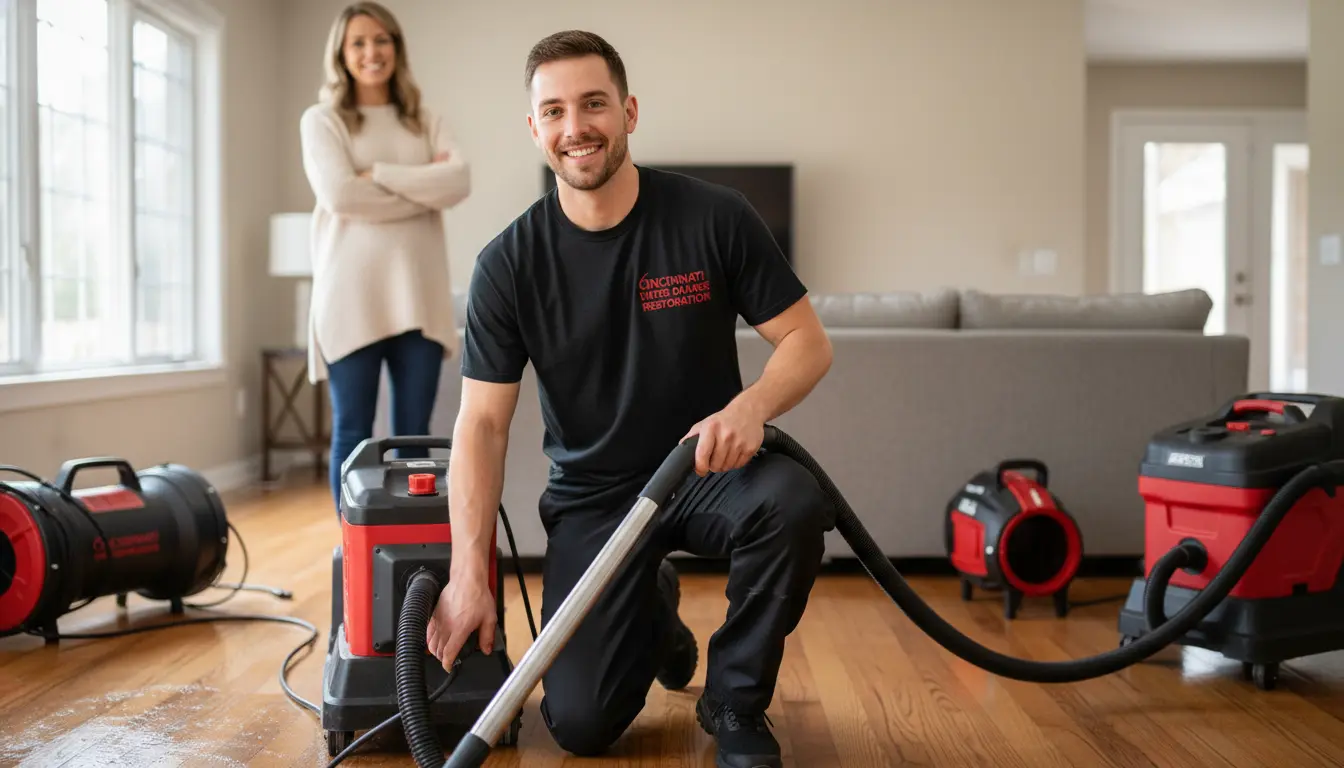
Water damage restoration refers to the process of returning a property to its pre-loss condition after suffering from water damage, which can be caused by various factors such as burst pipes, floods, or leaks.
It is essential to distinguish water damage restoration from other forms of property repair, as it requires specialized techniques and equipment to remove excess moisture, dry the affected areas, and prevent further damage.
In the context of apartments in Ohio, water damage restoration is particularly crucial due to the state’s humid continental climate, which can exacerbate the growth of mold and mildew.
Immediate professional intervention is critical in Ohio to prevent long-term damage and potential health risks. Water damage can lead to structural instability, electrical hazards, and the proliferation of microorganisms, making it essential to seek expert help.
Water Damage Restoration is the premier emergency response provider in the area, offering comprehensive services to mitigate the effects of water damage and restore properties to their original condition.
Technical Process
The professional restoration workflow for water damage in Ohio typically begins with an emergency assessment to determine the extent of the damage and identify potential safety hazards. This is followed by water extraction, which involves the use of specialized equipment such as submersible pumps and wet/dry vacuums to remove excess moisture from the affected areas.
The next step is stabilized drying, which involves the use of dehumidifiers, air movers, and other equipment to create an environment that promotes evaporation and prevents further damage. In Ohio, it is essential to use specialized equipment such as LGR dehumidifiers and infrared cameras to monitor the drying process.
Local variables such as environmental humidity levels and regional building types can dictate the chosen mitigation strategy. You can learn more about Mold Remediation and how it can help prevent the growth of mold and mildew in water-damaged properties.
Data Comparison
When it comes to water damage restoration, there are different approaches that can be taken. The following table compares Professional Structural Drying and Natural Air Drying (Source: IICRC S500 Reference Guide):
| Feature/Metric | Professional Structural Drying | Natural Air Drying |
|---|---|---|
| Pathogen Risk | Low | High |
| Drying Duration | Short | Long |
| Secondary Damage Prevention | High | Low |
Expert Insights
As a Certified Senior Water Damage Restoration Expert, I can provide advanced professional tips and explanations to help renters in Ohio navigate the water damage restoration process. Identifying hidden moisture pockets in wall cavities is crucial in preventing the growth of mold and mildew.
Common mistakes that homeowners make include ignoring moisture behind baseboards, using standard shop-vacs for large extractions, and premature equipment removal. You can also learn more about Sewage Cleanup and how it can help prevent the spread of disease-causing microorganisms.
Pricing
The cost of water damage restoration in Ohio can vary depending on several factors, including the extent of the damage, the type of equipment required, and the size of the affected area. Common pricing structures include per-equipment daily rates, square footage, and industry-standard Xactimate estimating.
The cost can also be influenced by factors such as the water category, the class of water loss, and the required demolition of non-salvageable materials. You can also learn more about Fire Damage Restoration and how it can help restore properties damaged by fire and water.
Safety and Standards
Safety is a top priority when it comes to water damage restoration in Ohio. It is essential to work with a company that has the necessary certifications, such as IICRC WRT/ASD, and follows safety protocols, such as OSHA.
The use of EPA-registered antimicrobials and botanical disinfectants is also crucial in preventing the growth of mold and mildew. You can also learn more about Structural Drying and how it can help prevent further damage.
FAQ
The first step is to assess the damage, identify the source of the water, and determine the best course of action to take.
In general, the process can take anywhere from a few days to several weeks to complete, depending on the extent of the damage.
Benefits include preventing further damage, reducing the risk of mold growth, and ensuring the property is safe for occupancy.
Regular maintenance of your plumbing system, checking for leaks regularly, and having an emergency plan are essential steps.
Contact a professional restoration company immediately to mitigate effects and restore the property.