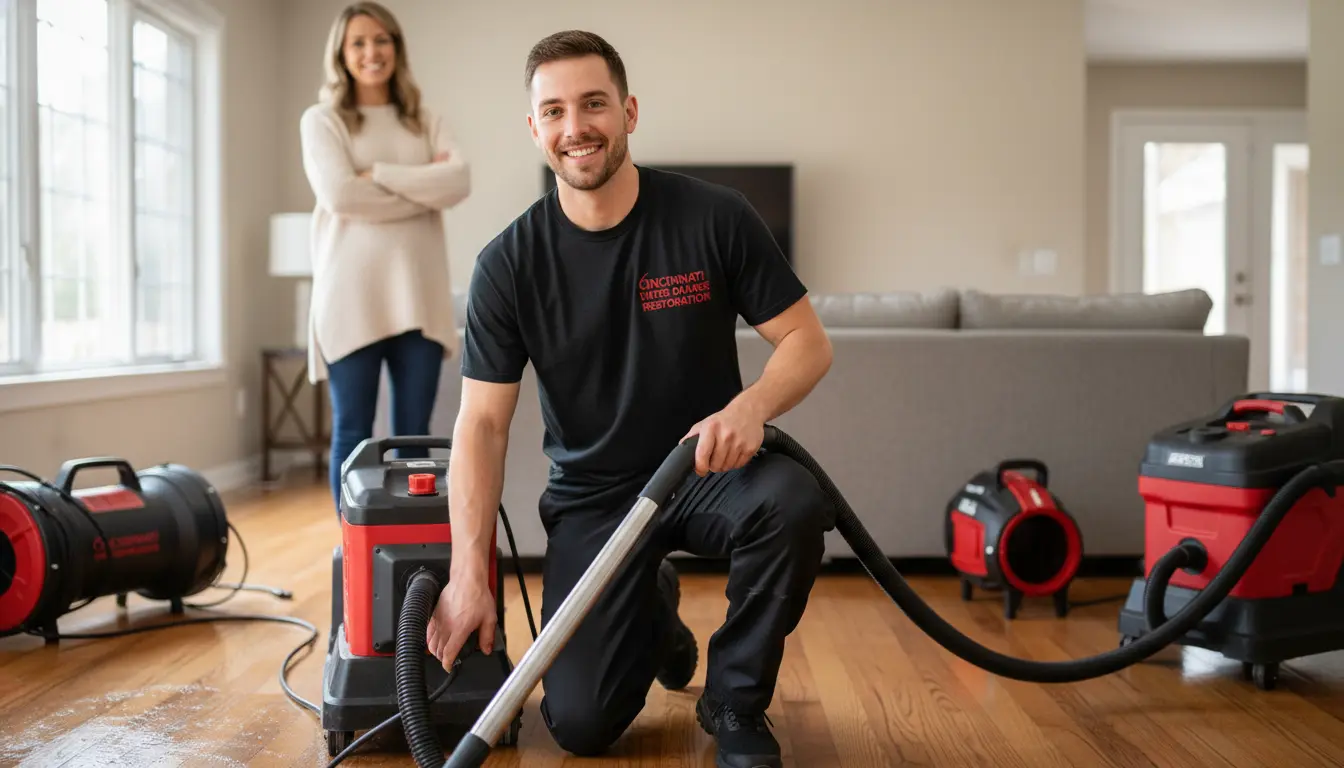
According to recent reports, water damage claims remained a dominant factor in homeowner insurance filings throughout 2026, with average costs per claim continuing to hover around the $10,000 mark. This ongoing trend underscores the vital necessity for professional water damage restoration in Ohio, where fluctuating seasonal humidity and local flooding events frequently exacerbate property issues. Effective, immediate intervention is not just a preference; it is a critical requirement to prevent long-term property devaluation and serious health risks for occupants.
The Technical Restoration Workflow
Professional restoration follows a highly disciplined, multi-stage workflow designed to mitigate risk effectively. It begins with a rapid emergency assessment to determine the source and scope of the intrusion. Following this, technicians perform thorough water extraction using industrial pumps, immediately proceeding to stabilized drying techniques. We utilize LGR dehumidifiers and high-velocity air movers to manage the indoor environment, while infrared technology and moisture mapping allow us to monitor the drying progress in real-time, ensuring that every hidden pocket of moisture is addressed before final sanitization with EPA-registered antimicrobials.
Comparing Drying Approaches
| Feature/Metric | Professional Structural Drying | Natural Air Drying |
|---|---|---|
| Pathogen Risk | Low | High |
| Drying Duration | 3-5 days | 7-14 days |
| Secondary Damage Prevention | High | Low |
Source: IICRC S500 Reference Guide
Our senior experts emphasize that precision is the key to preventing microbial growth. By managing Grains Per Pound (GPP) levels and utilizing thermography, we prevent the structural compromises that often follow improper restoration attempts. Homeowners must avoid the common pitfalls of using consumer-grade shop vacuums for large-scale extractions or prematurely removing drying equipment, both of which often lead to recurring mold colonies and costly secondary repairs.
Pricing, Safety, and Standards
Restoration investments are calculated based on the specific category of water contamination, the load of evaporation required, and necessary material demolition. Whether dealing with clean water or highly contaminated sewage, costs are transparently estimated using industry-standard tools to ensure property owners are fully informed. Our operations strictly adhere to IICRC WRT/ASD standards and OSHA safety mandates, providing a secure environment for your family while we restore the property to its original, healthy condition.
Frequently Asked Questions
Acting immediately prevents moisture from saturating structural materials, effectively halting mold colonization and preventing long-term structural decay.
Experts categorize water based on its source and contamination level—ranging from clean pipe bursts to contaminated backups—to ensure the safest possible sanitization protocols.
Dehumidification is the cornerstone of structural drying, as it pulls moisture out of the air and porous materials to create a dry environment that inhibits bacterial growth.
Certified professionals bring the required equipment, deep technical knowledge, and safety training necessary to restore properties without leaving behind hidden hazards.
While damage severity dictates the schedule, a thorough professional drying process generally concludes within 3 to 14 days, minimizing disruption to your life.
Conclusion: Ensuring Professional Standards
Water damage restoration is a sophisticated science that requires more than just basic equipment; it demands certified expertise. By choosing professional, science-backed restoration services in Ohio, you ensure that your property is thoroughly sanitized and structurally sound. Protect your investment and your family’s health by relying on experienced experts to navigate the complexities of water damage mitigation.