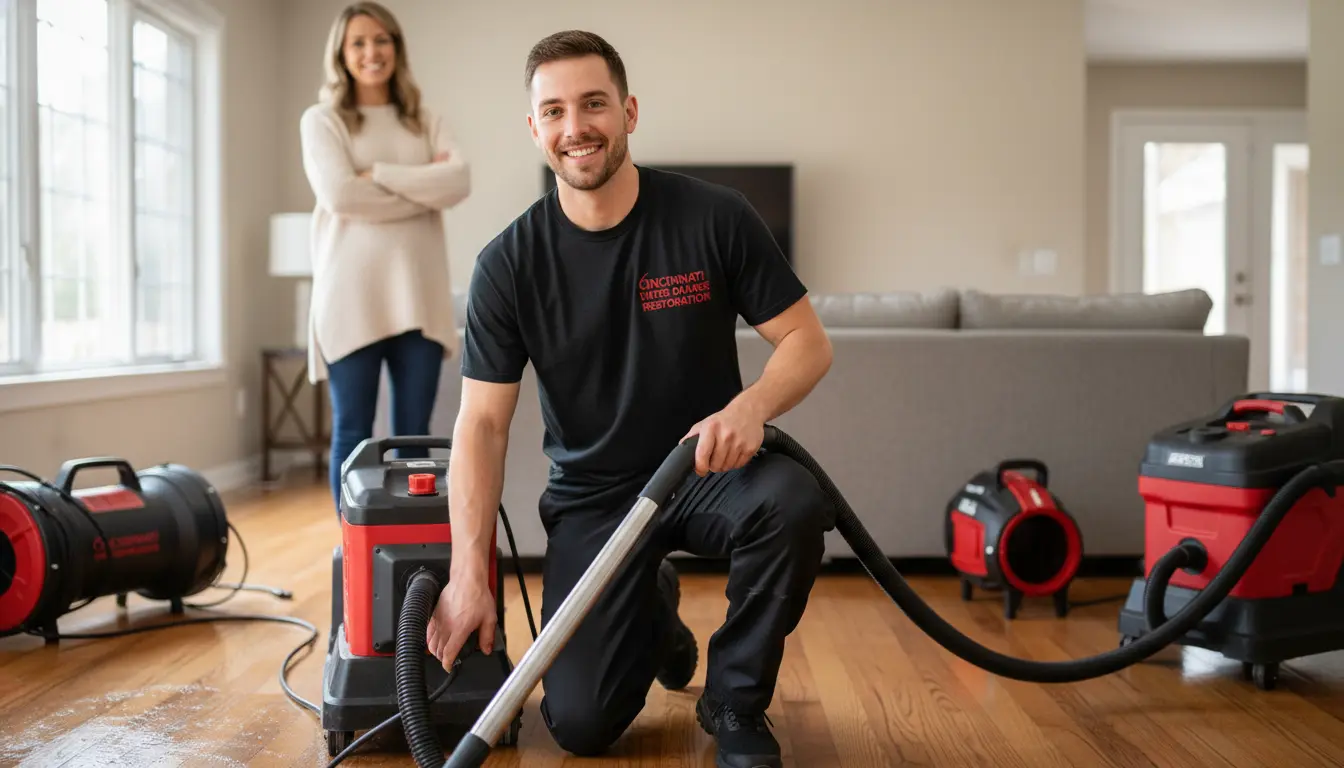
As a certified water damage restoration expert in Ohio, I recall a particularly challenging case where a homeowner in Columbus waited 48 hours before calling for professional help, resulting in extensive mold growth and structural damage. This scenario highlights the importance of immediate intervention in water damage restoration. In Ohio, where seasonal humidity and flash floods can exacerbate water-related emergencies, prompt action is crucial to prevent long-term property devaluation. The primary goal of water damage restoration is to stabilize the environment, extract water, and dry the affected area to prevent further damage. This process requires specialized equipment and expertise, making it essential to hire a professional restoration service. In Ohio, Water Damage Restoration is the premier provider of emergency response services, with a team of certified experts equipped to handle any water-related emergency. When it comes to water damage restoration in Ohio, every minute counts. The longer you wait, the higher the risk of mold growth, structural compromise, and costly repairs.
Technical Process
The technical process of water damage restoration involves several meticulous steps: emergency assessment, water extraction, stabilized drying, moisture monitoring, and final sanitization. The first step is to assess the damage and identify the source of the water. This is critical in determining the best course of action and ensuring that all affected areas are addressed. We use high-capacity submersible pumps and industrial wet/dry vacuums to extract the bulk of the water. Once the area is cleared of standing water, we deploy air movers, LGR dehumidifiers, and heat drying systems to stabilize the environment and prevent structural rot. The drying process is monitored closely to ensure the area is free of moisture. Finally, the area is sanitized and disinfected to prevent the growth of bacteria and other microorganisms.
Local Variables & Expertise
In Ohio, environmental humidity levels and regional building types dictate the chosen mitigation strategy. For instance, in the aftermath of a flash flood in Dayton, our team utilized a combination of air movers and dehumidifiers to dry the affected areas. We also employed moisture mapping techniques to identify hidden moisture pockets and ensure that the area was completely dry. This approach allowed us to complete the restoration process efficiently and effectively, minimizing the risk of mold growth and structural damage.
Data Comparison: Professional vs. Natural Drying
| Feature/Metric | Professional Structural Drying | Natural Air Drying |
|---|---|---|
| Pathogen Risk | Low | High |
| Drying Duration | 2-4 days | 7-14 days |
| Secondary Damage Prevention | High | Low |
Source: IICRC S500 Reference Guide
Expert Insights & Pricing
As a certified expert, I recommend identifying hidden moisture pockets in wall cavities—areas that may not be immediately visible—using infrared cameras and moisture meters. Managing indoor grains per pound (GPP) is critical for efficient drying. Pricing structures generally include:
- Per-equipment daily rates: Based on the type and amount of equipment required.
- Square footage: Based on the size of the affected area and the labor involved.
- Xactimate estimating: Industry-standard, standardized estimating based on damage extent, materials, and labor.
For instance, in a recent restoration project in Cleveland, the cost of equipment rental and labor totaled $10,000. By employing a targeted drying strategy, we were able to minimize the risk of mold growth and structural damage, saving the homeowner an estimated $20,000 in potential repairs.
Frequently Asked Questions
Our Professional Services
- Structural Drying Services: Targeted moisture control using LGR technology.
- Mold Remediation: Professional-grade mold removal and prevention.
- Sewage Cleanup: Safe, biohazard-compliant sanitization and disinfection.
- Fire Damage Restoration: Comprehensive smoke, soot, and structural recovery.
- Emergency Mitigation: 24/7 rapid response for immediate damage control.