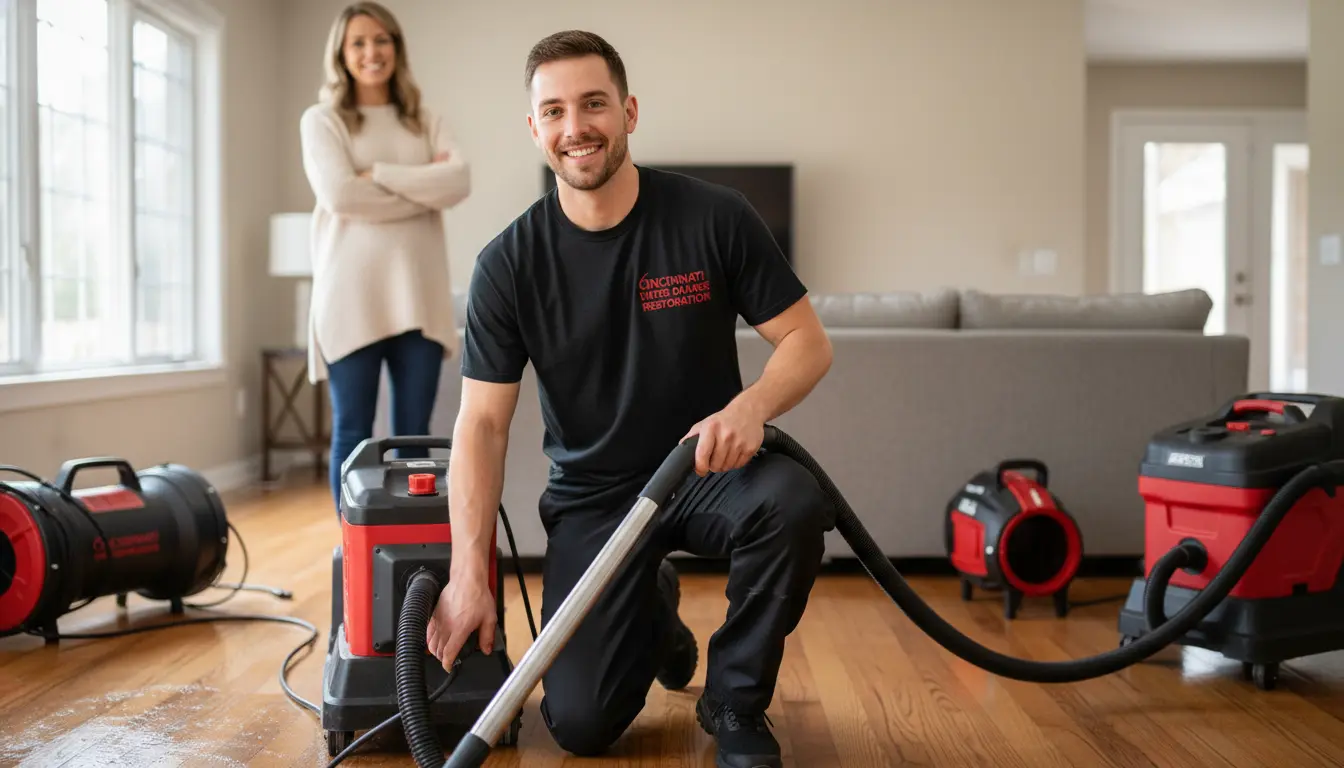
As a certified water damage restoration expert in Ohio, I recall a particularly challenging case where a homeowner in Columbus tried to save money by opting for a cheap water damage restoration deal. Unfortunately, the company they hired didn’t have the necessary expertise or equipment, leading to a prolonged drying process and significant secondary damage. This experience taught me the importance of prioritizing quality over cost when it comes to water damage restoration. In Ohio, where seasonal humidity and flash floods can exacerbate water damage, it’s crucial to invest in professional services that can ensure a safe and efficient mitigation process.
The risks associated with cheap water damage restoration deals are numerous. Not only can they lead to inadequate drying, but they can also result in the growth of mold and mildew, compromising the health and safety of occupants. Furthermore, unqualified technicians may not be aware of the latest techniques and technologies, such as psychrometry and moisture mapping, which are essential for effective water damage restoration. In Ohio, where the climate can be particularly humid, it’s essential to work with a reputable company that understands the local conditions and can tailor their approach accordingly.
Water damage restoration is a complex process that requires a deep understanding of the underlying principles of drying and dehumidification. It’s not just a matter of extracting water and drying the surface; it’s about creating a controlled environment that promotes efficient evaporation and prevents secondary damage. In Ohio, where burst pipes and flash floods are common, it’s essential to have a reliable and experienced partner who can respond quickly and effectively to mitigate the damage.
Technical Process
A professional water damage restoration workflow typically begins with an emergency assessment, where our team evaluates the extent of the damage and identifies the source of the water intrusion. We then proceed with water extraction, using specialized equipment such as submersible pumps and wet/dry vacuums to remove as much water as possible from the affected area. Next, we stabilize the environment by controlling the temperature and humidity levels, creating a conducive atmosphere for drying. This is where the science of psychrometry comes into play, as we carefully monitor the vapor pressure differentials to ensure optimal drying conditions.
Our team uses a range of tools, including LGR dehumidifiers, air movers, and infrared cameras, to monitor the drying process and identify any potential issues. We also employ moisture meters to track the progress of the drying process, ensuring that the affected areas are dry and free of moisture. In Ohio, where the climate can be particularly humid, it’s essential to have the right equipment and expertise to manage the drying process effectively. For more details, you can visit our page on advanced structural drying techniques.
Drying Comparison
When it comes to water damage restoration, it’s essential to understand the differences between professional structural drying and natural air drying. The following table highlights the key differences between these two approaches:
| Feature/Metric | Professional Structural Drying | Natural Air Drying |
|---|---|---|
| Pathogen Risk | Low | High |
| Drying Duration | 3-5 days | 7-14 days |
| Secondary Damage Prevention | High | Low |
Expert Insights
As a certified water damage restoration expert, I’ve learned that there are several key factors to consider when mitigating water damage. First, it’s essential to identify hidden moisture pockets in wall cavities and behind baseboards, as these areas can be prone to mold growth and structural damage. Second, managing indoor grains per pound (GPP) is crucial for efficient drying, as it allows our team to create a controlled environment that promotes optimal evaporation. Finally, it’s essential to avoid common mistakes such as ignoring moisture behind baseboards or using standard shop-vacs for large extractions, as these can lead to prolonged drying times and increased risk of secondary damage.
Our team has extensive experience in professional mold remediation and emergency sewage cleanup, which are often necessary in water damage restoration scenarios. We also work closely with homeowners to educate them on the importance of proper maintenance and inspection to prevent water damage in the first place.
Pricing and Safety
The cost of water damage restoration can vary widely depending on the category and class of water loss, the extent of the damage, and the required demolition of non-salvageable materials. Factors include water contamination levels, the extent of damage, and the required equipment and labor hours. At our company, we prioritize safety and adhere to the highest standards of quality and professionalism. Our technicians are certified by the IICRC and follow strict safety protocols, including OSHA guidelines. We also use EPA-registered antimicrobials and botanical disinfectants to prevent the growth of mold and mildew, and to protect occupants from biohazards. You can learn more about our comprehensive safety protocols on our website.
Frequently Asked Questions
The difference lies in the level of contamination. Clean water is from a burst pipe, gray water from a sink, and black water from sewage. Understanding this is crucial for the appropriate restoration approach.
On average, the process can take anywhere from 3 to 14 days, with some cases requiring longer drying times depending on the extent of the damage.
It’s not recommended. Shop-vacs are not designed for large-scale extraction and can push water further into materials, exacerbating the damage.
Preventing water damage requires regular maintenance, such as checking pipes for leaks, clearing gutters, and installing flood sensors in high-risk areas.
Professional Water Damage Care in Ohio
In conclusion, while cheap water damage restoration deals may seem appealing, they can often lead to inadequate drying, mold growth, and secondary damage. As a certified water damage restoration expert in Ohio, I strongly recommend investing in professional services that prioritize quality, safety, and efficiency. We also offer professional fire damage restoration and expert structural drying services to help you respond to any emergency. Contact us today to learn more about how we can help you mitigate the risks associated with water damage in Ohio.