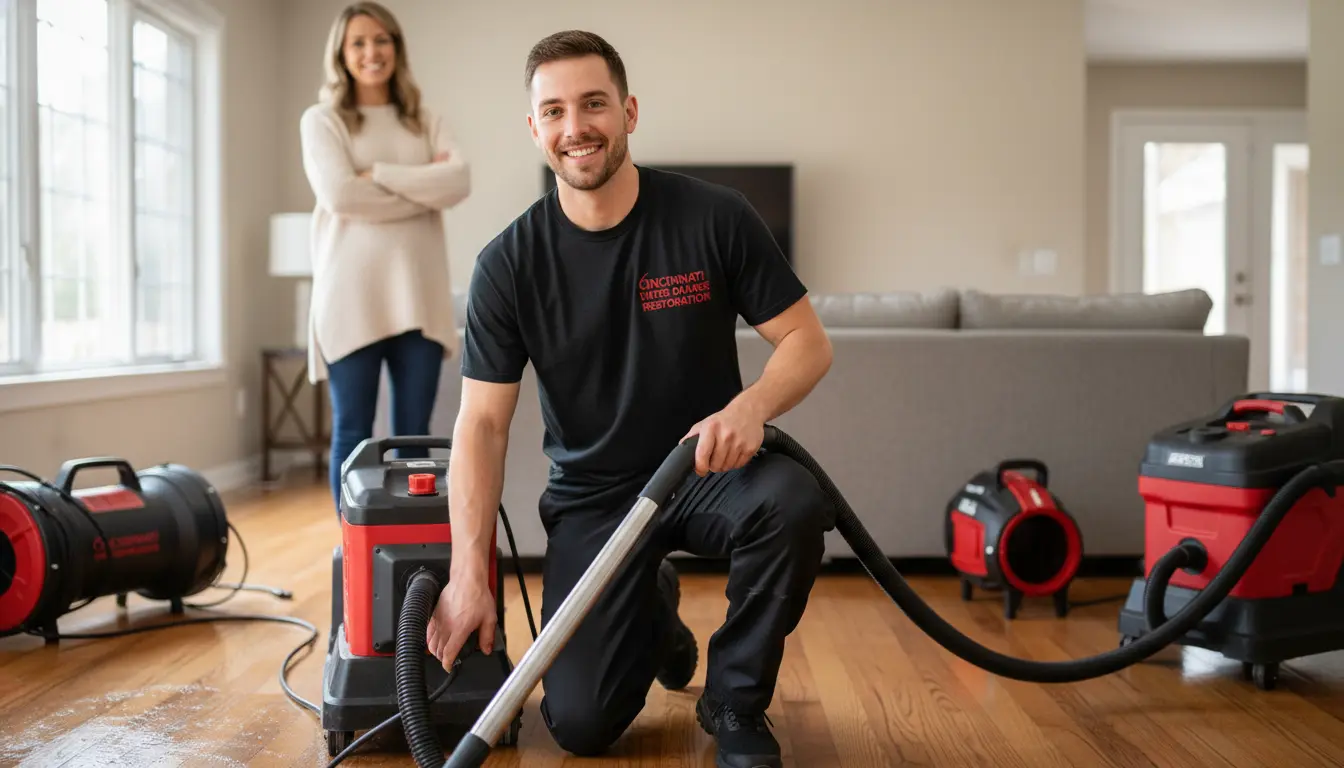
Failing to find a licensed and insured water damage restoration service in Ohio can cost homeowners and businesses thousands of dollars in secondary damages and prolonged recovery times. In fact, the average cost of water damage restoration in Ohio can range from $1,000 to $4,000 or more, depending on the extent of the damage and the timeliness of the response. Furthermore, if not addressed promptly and properly, water damage can lead to severe consequences such as mold growth, structural compromise, and even health risks. For instance, in Ohio, where seasonal humidity fluctuations are common, the risk of water damage and subsequent mold growth is particularly high, especially in areas prone to flooding like basements and crawl spaces.
The importance of immediate professional intervention cannot be overstated. Water damage restoration is a complex process that requires specialized training, equipment, and experience to mitigate losses effectively. In Ohio, where the climate can be particularly humid during certain times of the year, the risk of water damage is exacerbated, making the need for professional restoration services even more critical. This is where a licensed and insured water damage restoration service comes into play, offering the expertise and resources necessary to restore properties to their pre-damage condition efficiently and safely.
Water Damage Restoration in Ohio is the premier emergency response provider in the area, equipped with the latest technology and staffed by certified professionals who understand the nuances of water damage mitigation in the local context. With a deep understanding of the specific challenges posed by Ohio’s climate and common building materials found in residential and commercial properties, Water Damage Restoration is uniquely positioned to provide effective and efficient services tailored to the needs of Ohio residents and businesses.
Technical Process of Water Damage Restoration
The technical process of water damage restoration involves a step-by-step approach that begins with an emergency assessment of the affected area. This initial assessment is critical for determining the extent of the damage and the appropriate course of action. Professionals use specialized equipment such as moisture meters and infrared cameras to identify all areas affected by water, even those that are not immediately visible. Following the assessment, the next step is water extraction, where powerful pumps and vacuum units are used to remove standing water from the premises. This is a time-sensitive process, as the longer water sits, the greater the risk of secondary damage and mold growth.
After water extraction, the focus shifts to stabilized drying. This involves the strategic placement of air movers and dehumidifiers to create an environment conducive to evaporation. The goal is to reduce the moisture content of the air and materials to levels that prevent further damage and microbial growth. Professionals monitor the drying process closely, using tools like psychrometers to measure the humidity and temperature, ensuring that the drying environment is optimized for efficient and safe drying. This process can take several days to over a week, depending on the extent of the damage and the environmental conditions.
Local variables such as environmental humidity levels and the type of building materials used in construction play a significant role in determining the mitigation strategy. For example, in Ohio, where basements are common and prone to flooding, specialized techniques and equipment may be necessary to ensure thorough drying of these areas. Additionally, the use of thermography can help identify hidden moisture pockets behind walls and under floors, which is crucial for preventing future mold growth and ensuring the structural integrity of the building.
Data Comparison for Drying Methods
When it comes to drying methods, there are primarily two approaches: professional structural drying and natural air drying. The choice between these methods depends on various factors, including the extent of the damage, the type of materials affected, and the environmental conditions. Professional structural drying, facilitated by equipment such as LGR dehumidifiers and air movers, offers a controlled and efficient drying process that can significantly reduce the risk of secondary damage and mold growth. On the other hand, natural air drying relies on opening windows and using fans to speed up evaporation, a method that is generally slower and less reliable, especially in humid climates like Ohio’s.
| Feature/Metric | Professional Structural Drying | Natural Air Drying |
|---|---|---|
| Pathogen Risk | Lower | Higher |
| Drying Duration | Shorter | Longer |
| Secondary Damage Prevention | Higher | Lower |
Source: IICRC S500 Reference Guide
Expert Insights for Effective Water Damage Restoration
Identifying hidden moisture pockets is a critical aspect of water damage restoration. Professionals use various techniques, including moisture mapping and thermography, to locate areas where water may be hiding, such as within wall cavities or under flooring. Managing indoor grains per pound (GPP) is also essential for efficient drying. This involves controlling the humidity levels to optimize evaporation rates, thereby reducing the drying time and minimizing the risk of secondary damage. You can check our guide on moisture mapping techniques for more details.
A common mistake homeowners make is ignoring moisture behind baseboards or under flooring. This oversight can lead to prolonged drying times, increased risk of mold growth, and potentially severe structural compromise. Another mistake is using standard shop-vacs for large water extractions, which can be ineffective and even dangerous, as these devices are not designed to handle large volumes of water and can lead to electrical shock or further damage.
Pricing and Safety
The cost of water damage restoration can vary widely, depending on factors such as the category of water (clean, gray, or black), the class of water loss, the square footage of the area, the need for demolition, and daily equipment rental rates. Professionals use industry-standard Xactimate estimating to provide transparent pricing. Safety is paramount, with technicians strictly adhering to IICRC WRT/ASD certifications and OSHA safety protocols. The use of EPA-registered antimicrobials and botanical disinfectants is critical for preventing the spread of pathogens and ensuring a safe environment.
Frequently Asked Questions
The first step should always be to contact a licensed and insured water damage restoration service to assess the situation and begin mitigation.
It varies significantly based on the extent of the damage, but generally takes anywhere from a few days to over a week.
You risk incomplete drying, mold growth, structural damage, and potential health hazards that licensed pros are trained to avoid.
In many cases, yes, though coverage depends on your specific policy terms and the cause of the water damage.
Yes, we also provide sewage cleanup and fire damage restoration services to help in all emergency scenarios.