It was a chilly winter morning in Columbus, Ohio, when the Smiths woke up to the sound of gushing water in their basement. A burst pipe had flooded their entire downstairs area, threatening to destroy their valuables and compromise the structural integrity of their home. In such emergencies, every minute counts, and the decision to opt for professional water damage restoration or DIY cleanup can be crucial. Immediate intervention is critical in Ohio, where seasonal humidity affects evaporation rates, and common local flooding causes include flash floods and burst pipes in winter.
The importance of prompt and proper water damage mitigation cannot be overstated. Water damage, if not addressed promptly and correctly, can lead to significant property devaluation and health risks associated with microbial contamination. This is where professional help is vital. Professional restoration companies bring not just labor, but industrial-grade science to the cleanup process. If you are concerned about the hidden dangers of lingering moisture and the growth of hazardous substances, you can learn more about our Mold Remediation services.
The Technical Process of Mitigation
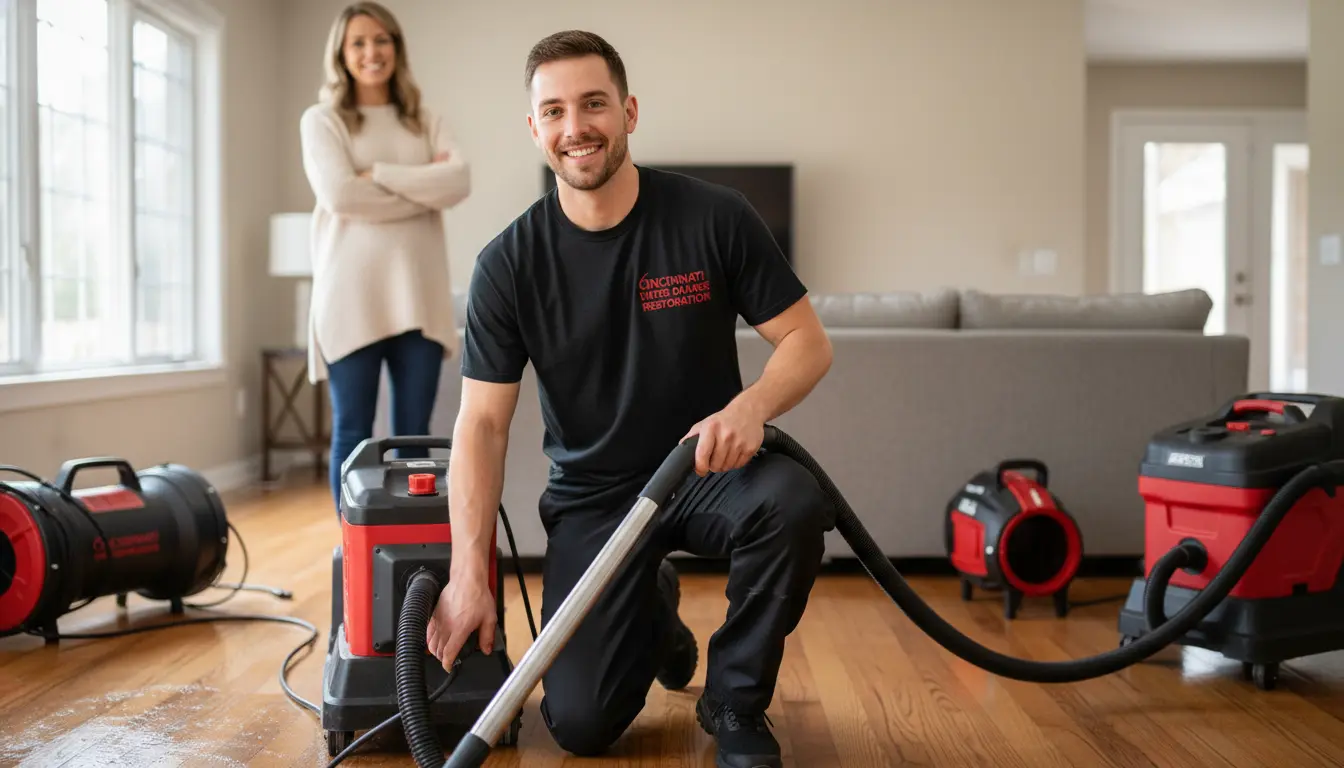
The restoration process is a highly engineered sequence of actions. It begins with an emergency assessment to quantify the extent of water saturation. We then initiate water extraction, utilizing heavy-duty submersible pumps and high-vacuum systems. Once standing water is removed, the focus shifts to stabilized structural drying using LGR (Low Grain Refrigerant) dehumidifiers and strategically placed air movers.
Throughout the drying process, we employ rigorous moisture monitoring using calibrated sensors to ensure the building materials are returning to a safe moisture content (EMC). Finally, we perform comprehensive sanitization using EPA-registered antimicrobials to eliminate potential pathogens. For scenarios where the water source is contaminated, such as sewer backups, please refer to our Sewage Cleanup guidelines.
Data Comparison: Professional Structural Drying vs. Natural Air Drying
| Feature/Metric | Professional Structural Drying | Natural Air Drying |
|---|---|---|
| Pathogen Risk | Significantly Reduced via Antimicrobials | Higher Due to Delayed Drying/Mold Growth |
| Drying Duration | Faster and Scientifically Controlled | Slower, Unpredictable, and Risky |
| Secondary Damage | Highly Effective Prevention | High Risk of Rot and Warping |
Expert Insights on Property Integrity
Identifying hidden moisture pockets behind drywall, inside baseboards, and under subflooring is essential to preventing long-term structural failure. Managing indoor GPP (Grains Per Pound) is the gold standard in restoration, as it allows us to control the dew point and facilitate evaporation in Ohio’s fluctuating climate. For those interested in the deep science of how we save buildings from total loss, check out our Structural Drying resources.
Common DIY mistakes, such as using standard household shop-vacs for large-scale extractions or shutting off HVAC equipment too early, often lead to incomplete drying and trapped moisture. If your home has also suffered from fire-related damage during a disaster, see our Fire Damage Restoration protocols for integrated recovery strategies.
Frequently Asked Questions
Your first priority is safety—shut off the main water valve if possible and evacuate if there is an electrical hazard. Contact professional restoration services immediately. We also recommend documenting the damage for your insurer and reviewing our Mold Remediation procedures to prevent further contamination while you wait for our arrival.
Every loss is unique, but generally, the process lasts from a few days to several weeks, depending on the class of water loss (amount of evaporation) and the materials affected. We provide real-time monitoring to ensure we finish as quickly as possible. In cases of contamination, Sewage Cleanup timelines may require additional safety assessments.
DIY cleanup often results in “surface drying,” where materials appear dry on top but remain saturated underneath. This is a recipe for mold growth and dry rot. Without industrial-grade equipment, you may also expose yourself to harmful pathogens. For complex situations, consider how our expertise in Fire Damage Restoration helps us handle multi-hazard scenarios.
Most standard policies cover sudden water damage, such as a burst pipe, provided it is not the result of long-term maintenance neglect. Always take high-quality photos before any cleanup starts. For further guidance on documenting your case for the insurance adjuster, visit our Structural Drying documentation page.
Columbus experiences sharp temperature swings and high humidity, which can stall the natural drying process. Professional mitigation is essential to overcome these regional climate challenges and protect your property value from degradation.
Conclusion
In conclusion, professional water damage restoration is not just a cleaning service—it is a critical investment in the longevity and safety of your property in Columbus, Ohio. By utilizing advanced structural drying techniques, certified experts, and EPA-registered sanitization, we ensure your property is restored to a safe, pre-loss condition. Don’t let amateur mistakes turn a manageable leak into a long-term structural or health crisis. Trust the professionals at Rescue Brothers to protect your home’s integrity, your family’s health, and your peace of mind.